Tuesday, October 28, 2014
And so it begins . . .

Monday, October 27, 2014
Hallloween train steam
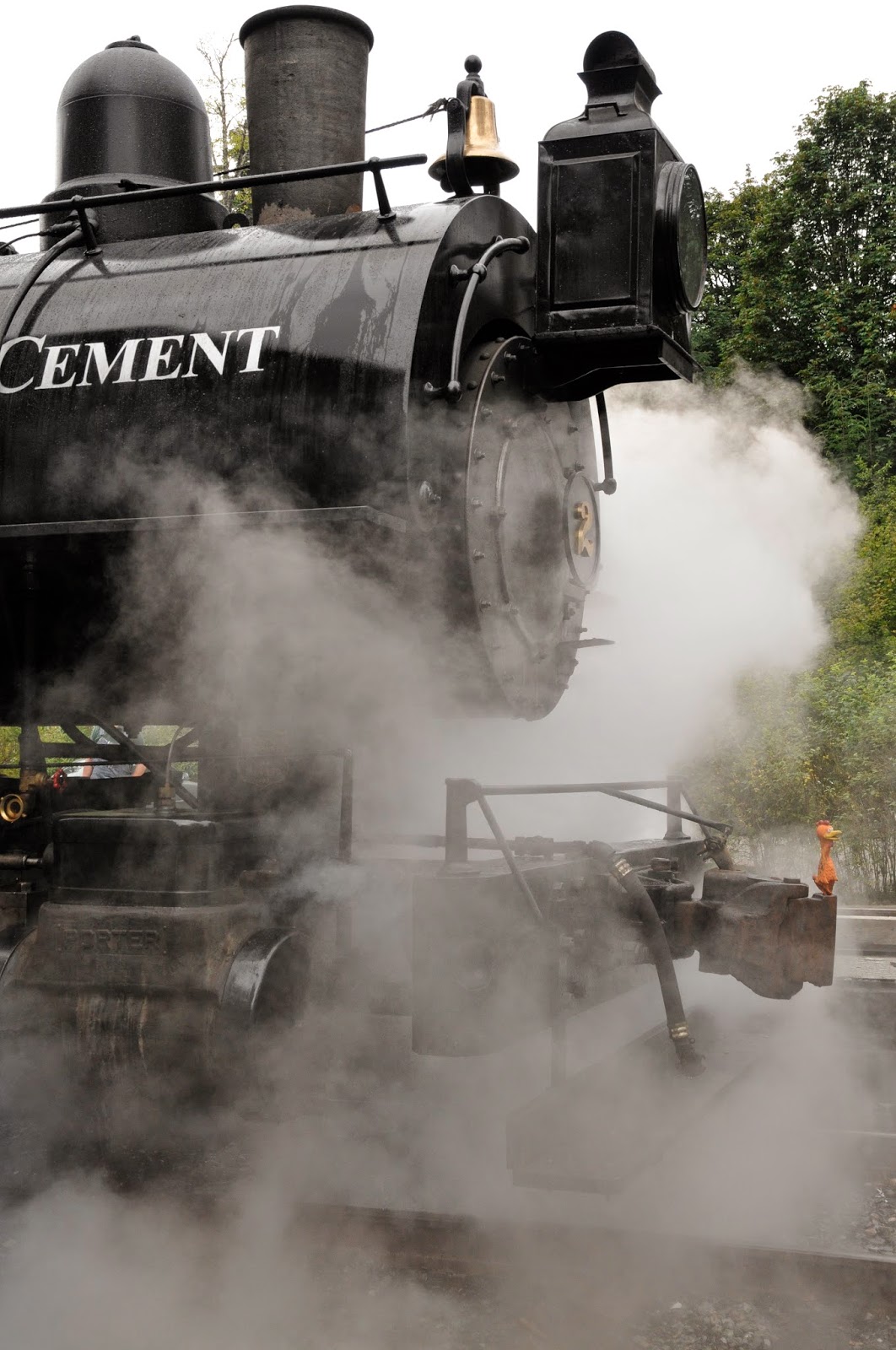
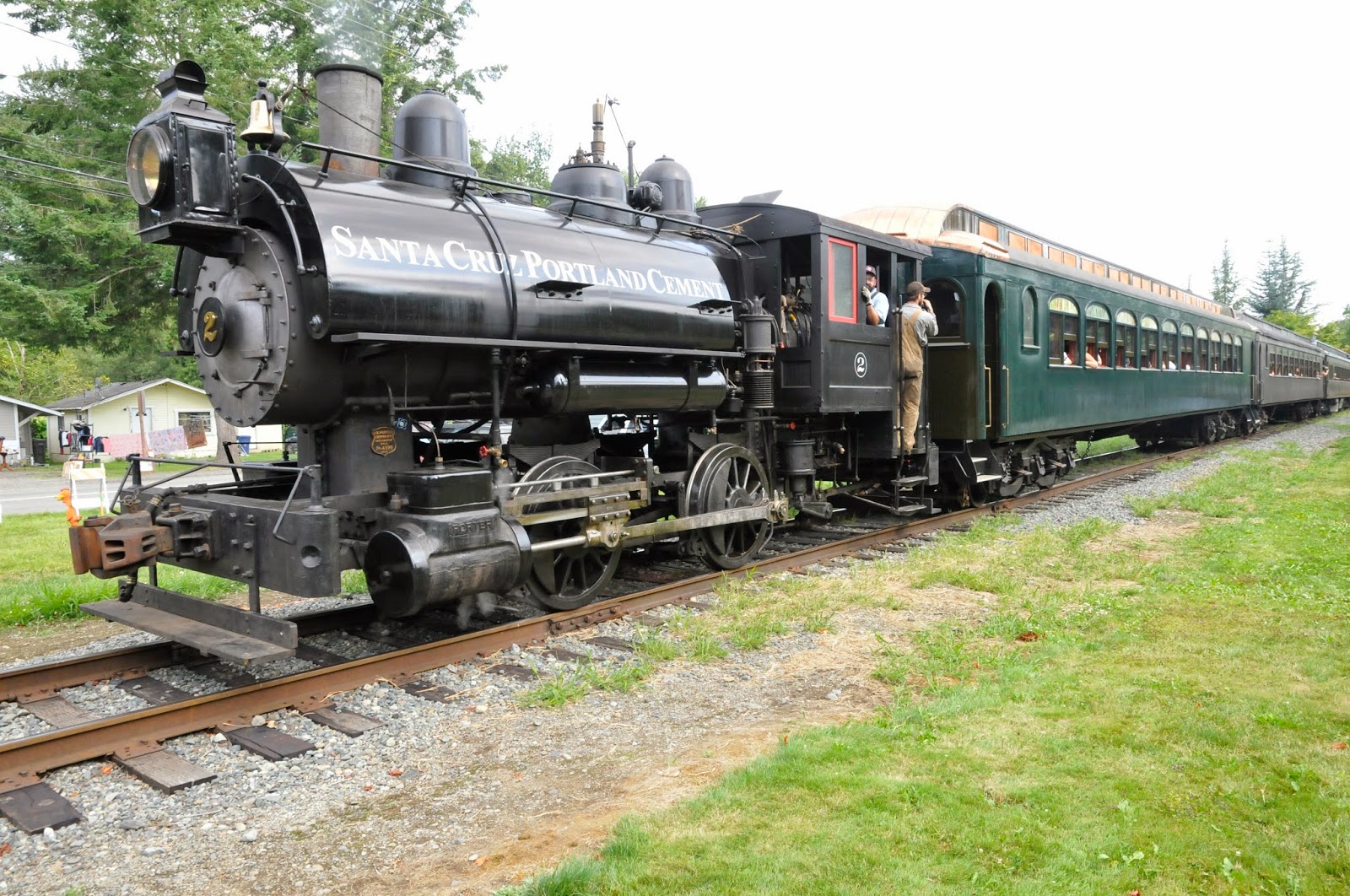
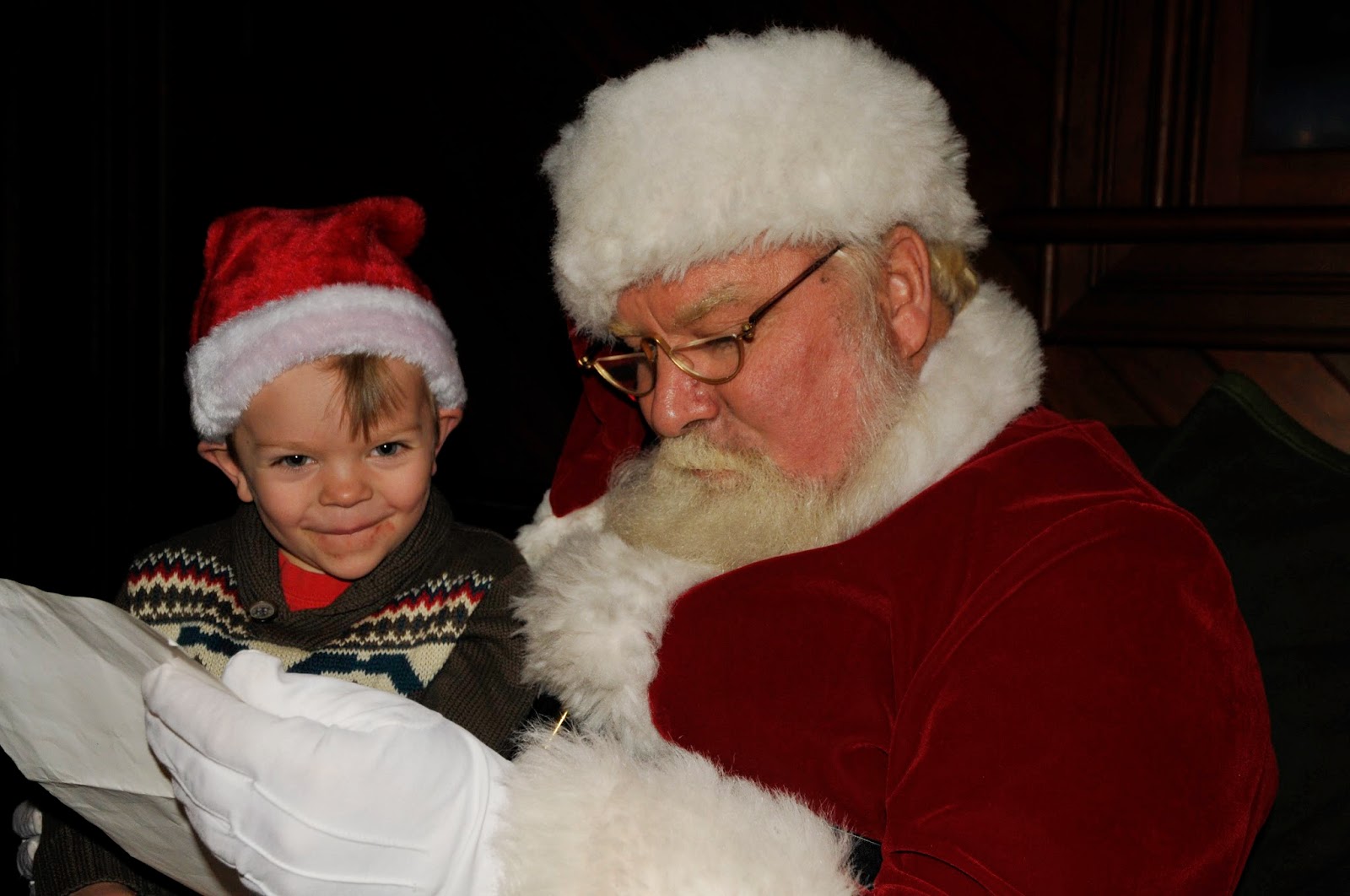
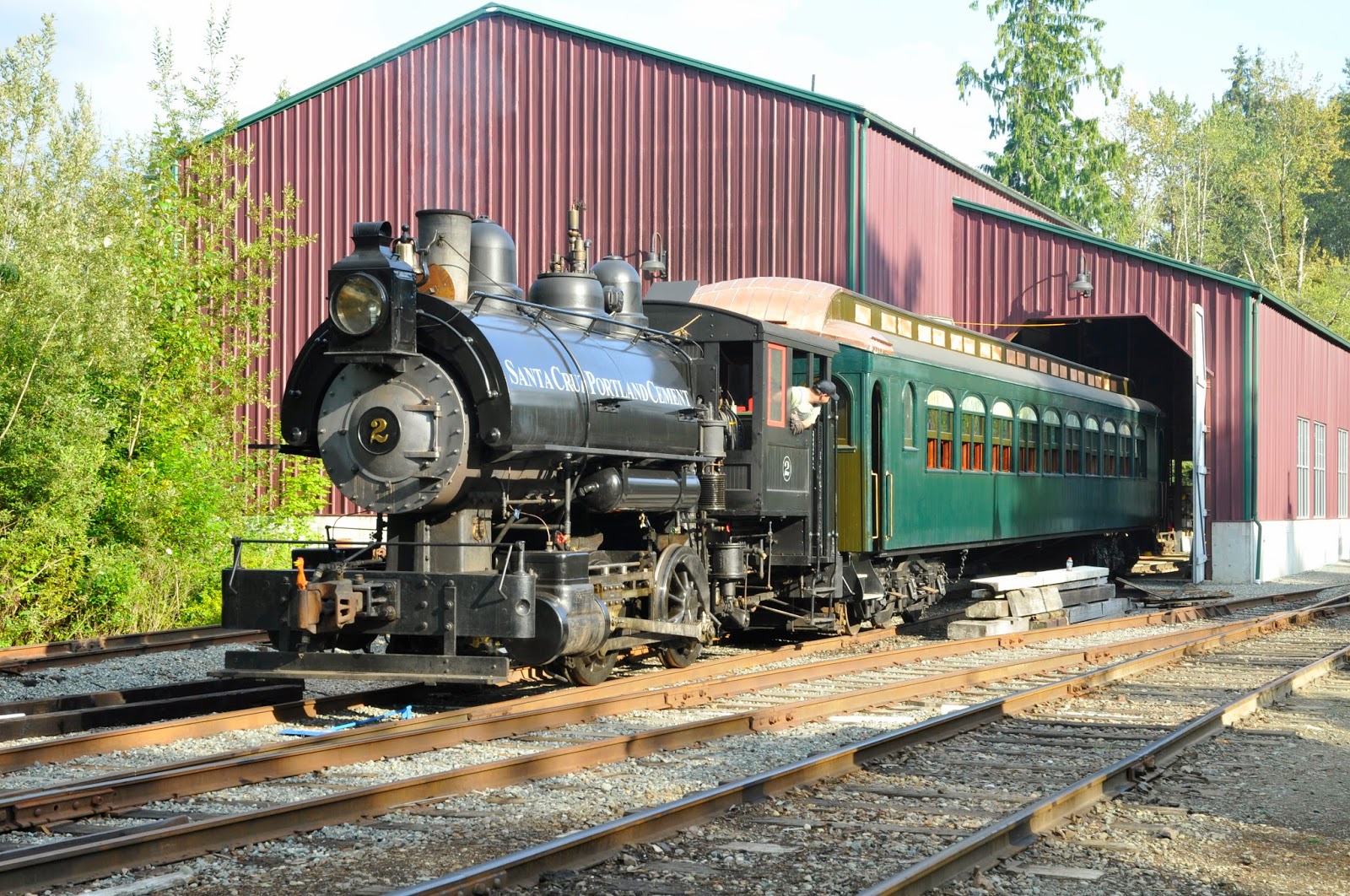
The next opportunity for a steam experience is during Santa Train 2014 in December. On Friday, December 19 only, Santa Trains will be pulled by SCPC 2. So come and enjoy another "new" steam experience at the Northwest Railway Museum! Tickets are available in advance here, but don't delay because Santa Train usually sells out in advance.
Wednesday, October 22, 2014
Steam program announced
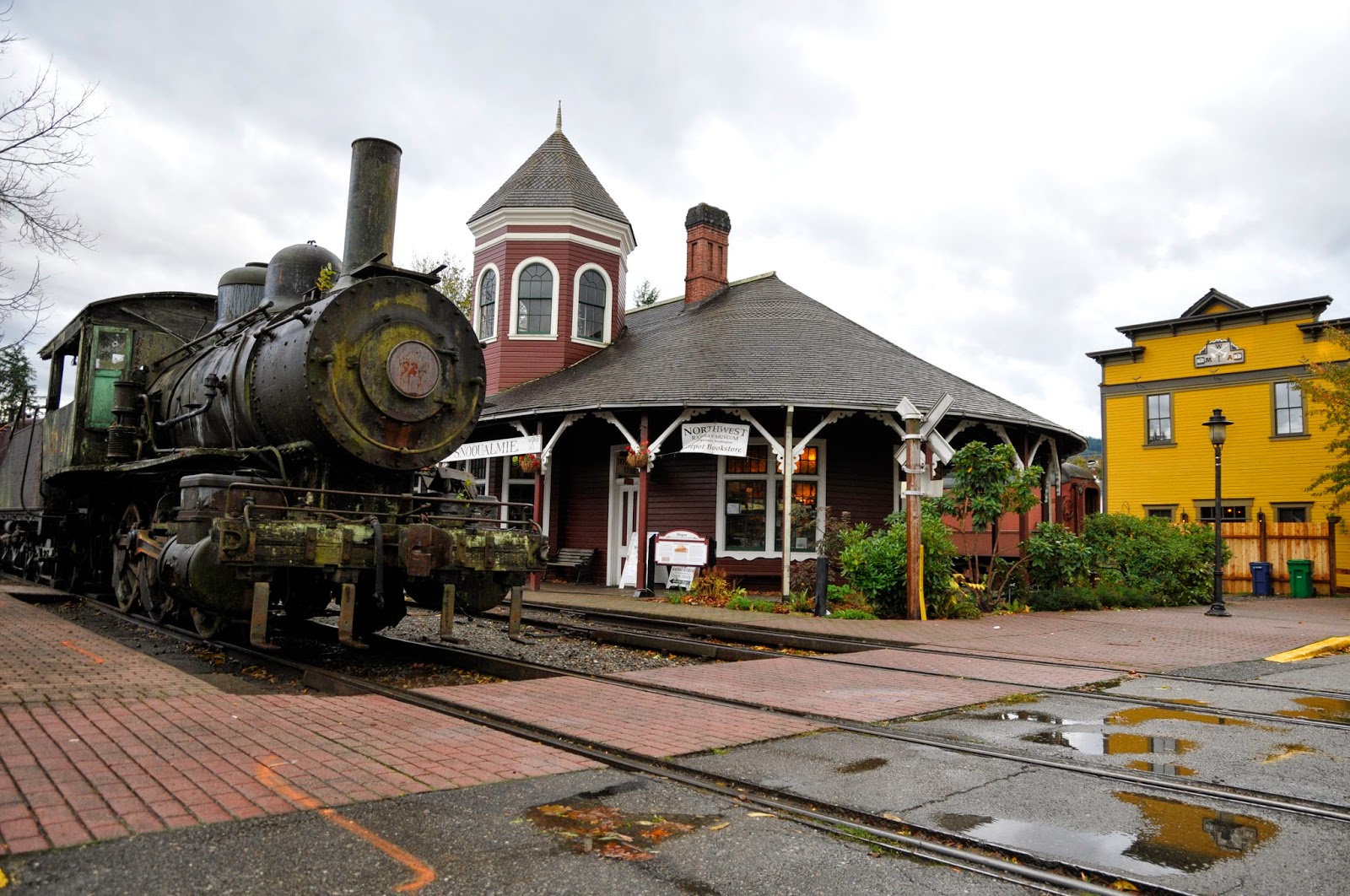
On October 20, 2014, the Northwest Railway Museum officially announced plans for a steam locomotive program, and identified the
locomotives that have been selected for rehabilitation, restoration and operation. This is an exciting time for the Museum, and represents continuing fulfillment of the long-term plan first developed nearly 20 years ago.
Steam locomotives were a driving
force throughout much of Washington State’s history. They pulled trains throughout the Northwest
beginning with the arrival of the first railroads in the 1870s and dominated
transportation in Washington until diesel electric locomotives replaced them in
the late 1950s at the dawn of the Interstate Highway era. Steam locomotives transported goods and
people during the latter half of westward expansion, and fostered the
development and settlement of communities across Washington State and King
County.
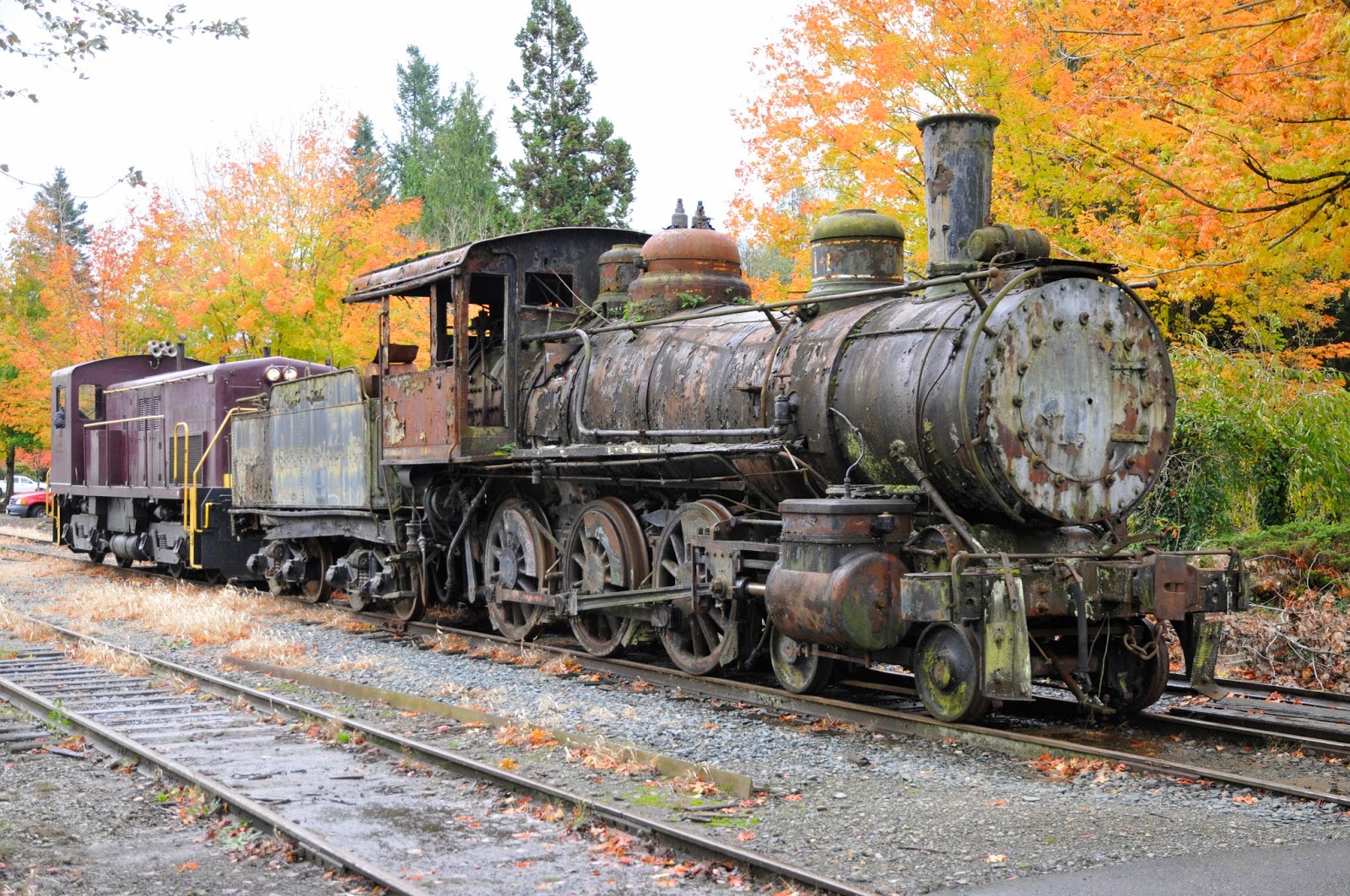
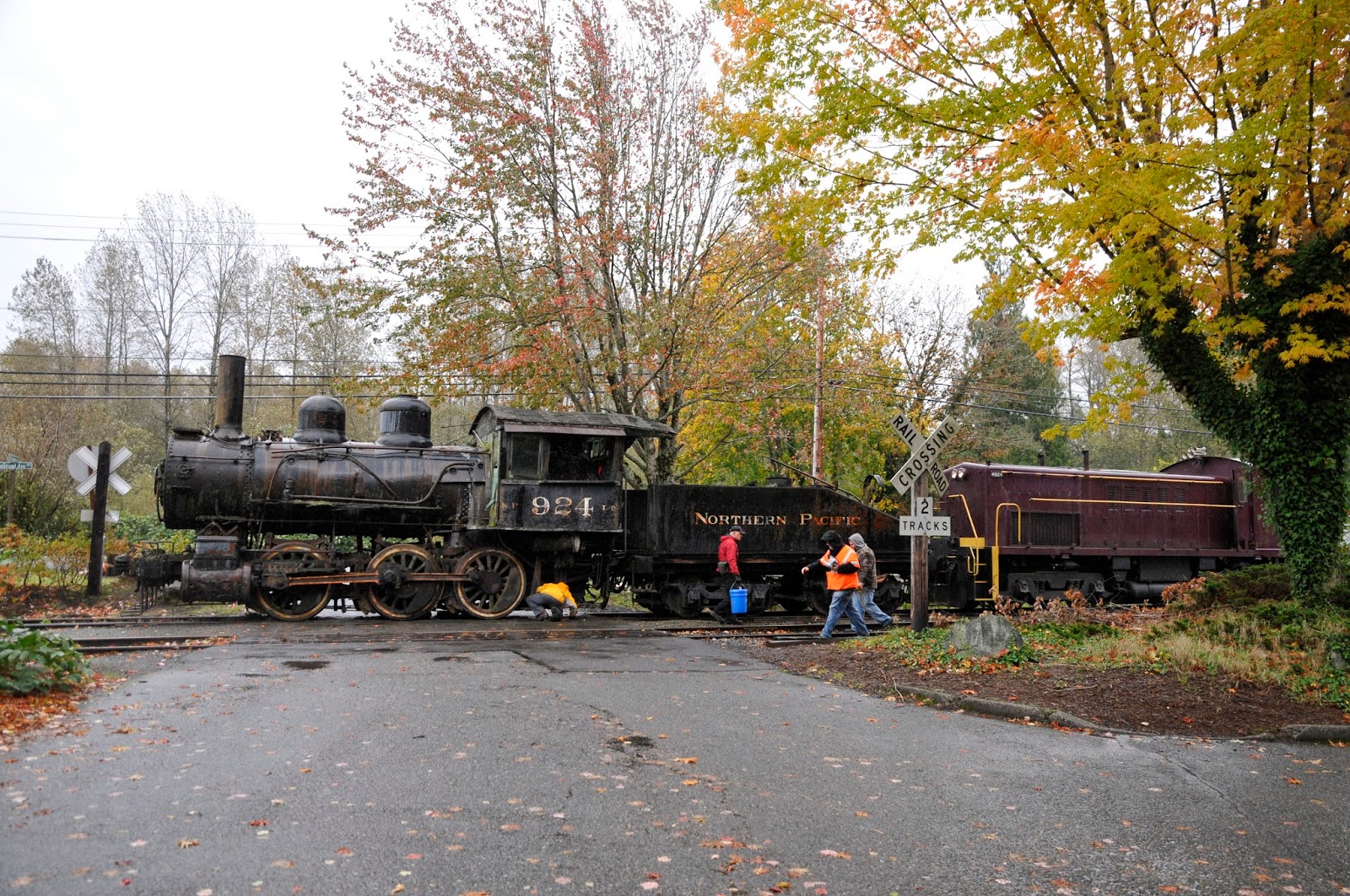
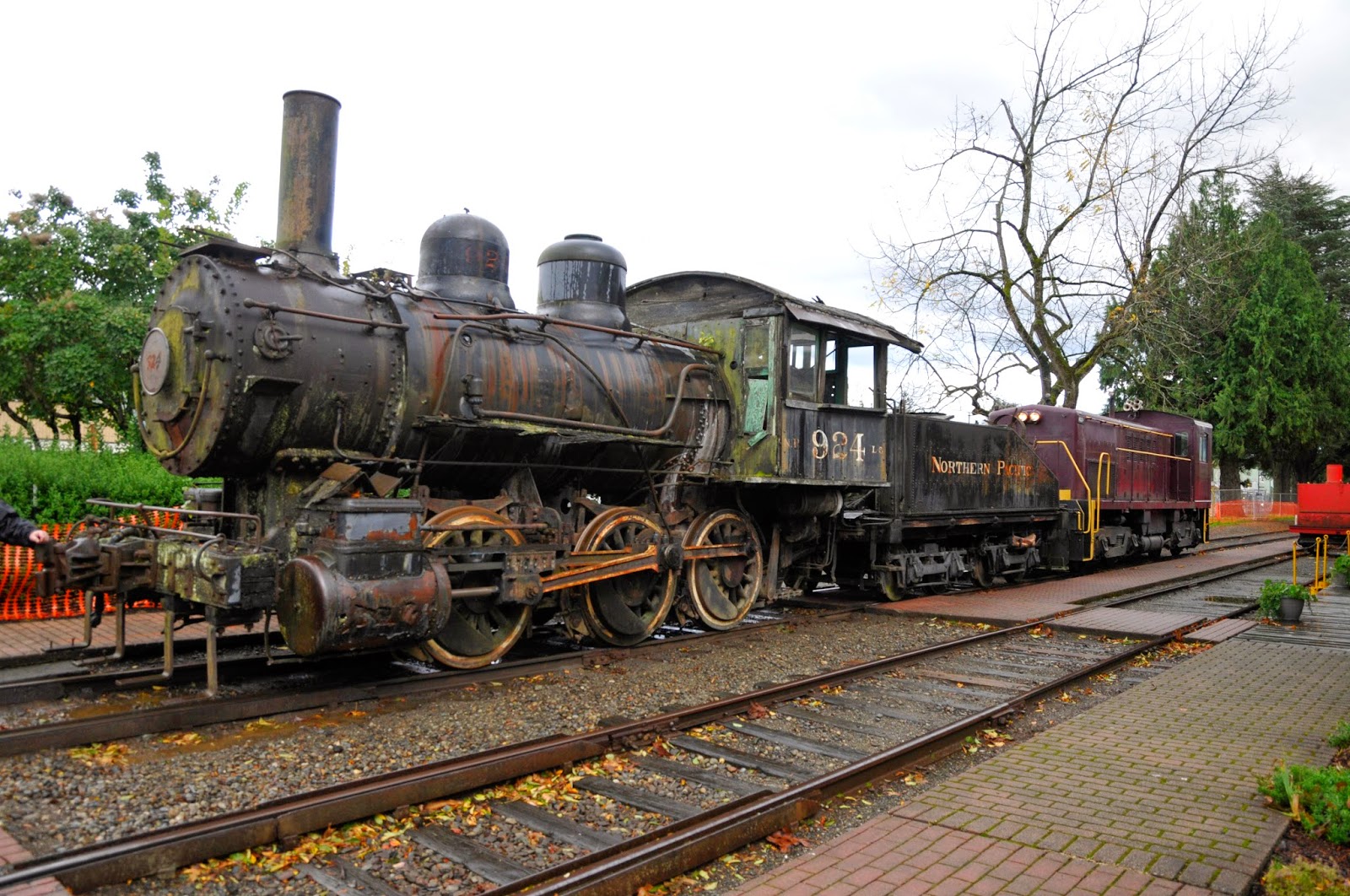
Northern Pacific Railway locomotive 924 selected first
Beginning
immediately and over the next two years, the Museum will rehabilitate and
restore former Northern Pacific Railway 924, a 0-6-0 (six-coupled) locomotive. Built by Rogers Locomotive and Machine Works in 1899 for the St. Paul and Duluth Railroad as their
number 74, the locomotive was renumbered 924 after that road was purchased by
the Northern Pacific Railway. In the
early 1900s it was Seattle’s King Street Station coach yard switcher, later serving the Seattle and
Tacoma yards, and in light branch line service. Sold in 1925 to
the Inland Empire Paper Company in
Millwood, Washington she remained on their roster until 1969.
This locomotive is
a classic example of late 19th century Northwest switching and
branch line steam locomotives. When the locomotive is complete, the
Museum will be the only American institution operating class one steam west of
Colorado with regionally-appropriate motive power and rolling stock on its
original railroad.
Two operating locomotives will allow
the steam program to continue during scheduled maintenance and periodic servicing, and
will allow for expanded service during large events. Consequently, the Museum is planning for the operation of two steam locomotives.
Canadian Collieries locomotive 14 selected as second.
Canadian
Collieries 14 is a classic Baldwin ten wheeler
that will allow the Museum to provide a complete and authentic experience
recreating railway passenger service from the first two decades of the 20th
century. Ten wheelers were the most popular and greatest-produced
locomotive of all time and examples were found on nearly every major railroad
in the Northwest, including the lines of the Seattle, Lake Shore and Eastern Railway that ran through
Snoqualmie.
Making it happen!
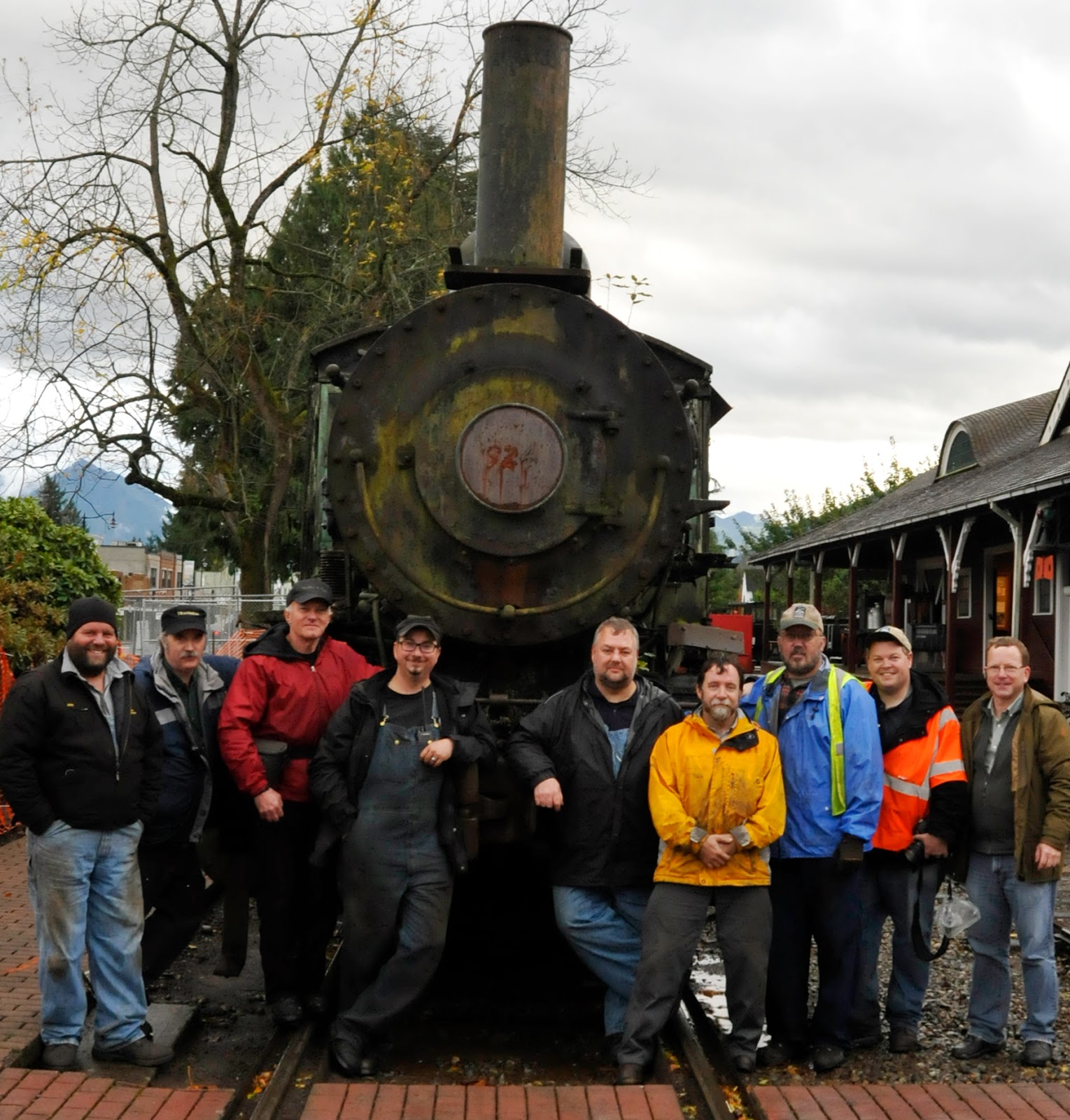
The Museum is making a significant commitment to steam by investing in people and facilities. A qualified team of paid and volunteer staff with prior experience in steam locomotive rehabilitation and restoration has been assembled and is being led by Curator of Collections Stathi Pappas. Pappas has a graduate degree in Archeology, and has participated or led more than a dozen similar projects.
The machinery required to perform the work has already been obtained for all aspects of boiler and running gear work. The work will be performed inside the Conservation and Restoration Center, the purpose-built collections care facility opened in 2007 and already equipped with an inspection pit, a monolithic floor, and utilities including sanitary sewer with oil-water separator that allow the Museum to maintain the locomotives in an environmentally-responsible manner.
Several major grants and contributions have been pledged and work will begin next week; additional fundraising will be performed during the next 24 months to offset costs that will approach $1 million. Contributions are encouraged and will be used to directly pay for the work performed; they can be made on the Museum's secure web site here and are tax-deductible to the extent permitted by law.
Making it happen!
The Museum is making a significant commitment to steam by investing in people and facilities. A qualified team of paid and volunteer staff with prior experience in steam locomotive rehabilitation and restoration has been assembled and is being led by Curator of Collections Stathi Pappas. Pappas has a graduate degree in Archeology, and has participated or led more than a dozen similar projects.
The machinery required to perform the work has already been obtained for all aspects of boiler and running gear work. The work will be performed inside the Conservation and Restoration Center, the purpose-built collections care facility opened in 2007 and already equipped with an inspection pit, a monolithic floor, and utilities including sanitary sewer with oil-water separator that allow the Museum to maintain the locomotives in an environmentally-responsible manner.
Several major grants and contributions have been pledged and work will begin next week; additional fundraising will be performed during the next 24 months to offset costs that will approach $1 million. Contributions are encouraged and will be used to directly pay for the work performed; they can be made on the Museum's secure web site here and are tax-deductible to the extent permitted by law.
Tuesday, October 14, 2014
Lettering a coach
You can visit and RIDE on coach 218 at the Northwest Railway Museum . Your next opportunity are the Halloween Steam Train rides on October 25 and 26. See you there!
Sunday, September 7, 2014
More steam please!
The next weekend of steam featuring Mr. Pappas' Santa Cruz Portland Cement locomotive 2 will be October 4 and 5, 2014 on the Fall Schedule with departures from Snoqualmie. Fares are $18 for adults, $15 for seniors and $10 for children. You can purchase tickets in advance for departure from Snoqualmie with no added cost using the Northwest Railway Museum's web site.
But wait, there's more!
And there is even more!
One day of Santa Train 2014 will also be hauled by steam! SCPC 2 will pull the Friday, December 19, 2014 Santa Train. There is no extra charge for steam, but advance tickets will incur a modest fee to defer the cost of postage. All Santa Trains depart from the North Bend Depot and your ticket includes refreshment served at Snoqualmie, and a small gift for all participating children. Tickets will be on sale to the public beginning September 13, 2014 using the Museum's web site.
Monday, September 1, 2014
Labor Day and the Railroad
Today is Labor Day, and it is a holiday that has particular significance for railroad labor. Spike was reminded of this earlier today when a Seattle Times column described the efforts of a self-described local think tank to boycott the holiday. So what does it have to do with the railroad?
1893 was a difficult year for the United States: the worst economic recession in the country's 117 year history gripped the Nation. Two of the chief culprits causing the "Panic of 1893" were railroad speculation and over-building. More than 500 banks and 15,000 businesses failed, including the mighty Union Pacific Railroad; the Philadelphia and Reading Railroad; the Atchison, Topeka, and Santa Fe Railway; and the Northern Pacific Railroad. The latter company had its western terminus in Tacoma, and had recently leveraged itself to acquire control of the Seattle, Lake Shore and Eastern Railway ("SLSE"). (The SLSE's mainline between Snoqualmie and North Bend is today owned by the Northwest Railway Museum.) The Panic of 1893 was devastating for railroad suppliers too.
George M. Pullman was the founder and president of the Pullman Palace Car Company. In 1880 he conceived and developed the Town of Pullman, Illinois as a model community that would attract the best and brightest employees by providing ideal living conditions. When initial construction was completed in 1884, the town included more than 1,000 homes, public buildings, and many parks. Pullman workers rented homes from the company; the fee included basic home maintenance and even daily garbage collection. The community was independently viewed as a nearly perfect town, but residency for employees was less than optional: during a work slow down, employees who lived outside the town of Pullman were the first to be laid off.
The economic recession continued and by early 1894 Pullman reacted to the situation by reducing wages by an average of 25%. Rental fees for company housing, however, remained unchanged so some worker's pay was reduced to just $9.07 a fortnight, but rent was $9.00 leaving just 7 cents for food, water and gas. And a work day remained at 16 hours. On May 10, 1894 workers who were now represented by the American Railway Union ("ARU") voted to strike. Six weeks into the work stoppage, Pullman - who had guaranteed the investors of his model town a 6% return on investment - continued to refuse requests for negotiation or arbitration. The ARU expanded the impact to a boycott by all their members of all Pullman Palace Cars operating in 27 States, ultimately involving 250,000 workers. This effectively shut down most of the railroads west of Detroit, stopped the mail, and - with telegrams from railroad managers demanding action - got the attention of President Grover Cleveland, who ordered his Attorney General to act. Federal Marshalls - strangely, paid and under the control of railroad company managers - and as many as 12,000 army troops were called in to enforce the America's first-ever back to work order. Predictably, violence broke out, resulting in the death of at least 30 people and causing millions of dollars in physical damage and lost opportunity. The boycott ended by mid July; union leaders were jailed for violation of the injunction; but the strike against the Pullman Palace Car Company did not end until August 2.
1894 was a midterm election year. In the shadow of the Pullman strike and boycott, a concession to labor: on June 28, 1894, a bill creating a national holiday called Labor Day, to be observed the first Monday of September every year, was approved by Congress and signed by the President. Interestingly, the law was silent on the subject of holiday pay, an almost completely unknown concept in 1894.
[images are from Wikipedia Commons and are public domain due to age]
1893 was a difficult year for the United States: the worst economic recession in the country's 117 year history gripped the Nation. Two of the chief culprits causing the "Panic of 1893" were railroad speculation and over-building. More than 500 banks and 15,000 businesses failed, including the mighty Union Pacific Railroad; the Philadelphia and Reading Railroad; the Atchison, Topeka, and Santa Fe Railway; and the Northern Pacific Railroad. The latter company had its western terminus in Tacoma, and had recently leveraged itself to acquire control of the Seattle, Lake Shore and Eastern Railway ("SLSE"). (The SLSE's mainline between Snoqualmie and North Bend is today owned by the Northwest Railway Museum.) The Panic of 1893 was devastating for railroad suppliers too.George M. Pullman was the founder and president of the Pullman Palace Car Company. In 1880 he conceived and developed the Town of Pullman, Illinois as a model community that would attract the best and brightest employees by providing ideal living conditions. When initial construction was completed in 1884, the town included more than 1,000 homes, public buildings, and many parks. Pullman workers rented homes from the company; the fee included basic home maintenance and even daily garbage collection. The community was independently viewed as a nearly perfect town, but residency for employees was less than optional: during a work slow down, employees who lived outside the town of Pullman were the first to be laid off.
The economic recession continued and by early 1894 Pullman reacted to the situation by reducing wages by an average of 25%. Rental fees for company housing, however, remained unchanged so some worker's pay was reduced to just $9.07 a fortnight, but rent was $9.00 leaving just 7 cents for food, water and gas. And a work day remained at 16 hours. On May 10, 1894 workers who were now represented by the American Railway Union ("ARU") voted to strike. Six weeks into the work stoppage, Pullman - who had guaranteed the investors of his model town a 6% return on investment - continued to refuse requests for negotiation or arbitration. The ARU expanded the impact to a boycott by all their members of all Pullman Palace Cars operating in 27 States, ultimately involving 250,000 workers. This effectively shut down most of the railroads west of Detroit, stopped the mail, and - with telegrams from railroad managers demanding action - got the attention of President Grover Cleveland, who ordered his Attorney General to act. Federal Marshalls - strangely, paid and under the control of railroad company managers - and as many as 12,000 army troops were called in to enforce the America's first-ever back to work order. Predictably, violence broke out, resulting in the death of at least 30 people and causing millions of dollars in physical damage and lost opportunity. The boycott ended by mid July; union leaders were jailed for violation of the injunction; but the strike against the Pullman Palace Car Company did not end until August 2. 1894 was a midterm election year. In the shadow of the Pullman strike and boycott, a concession to labor: on June 28, 1894, a bill creating a national holiday called Labor Day, to be observed the first Monday of September every year, was approved by Congress and signed by the President. Interestingly, the law was silent on the subject of holiday pay, an almost completely unknown concept in 1894.
[images are from Wikipedia Commons and are public domain due to age]
Friday, August 29, 2014
Railroad Days 2014
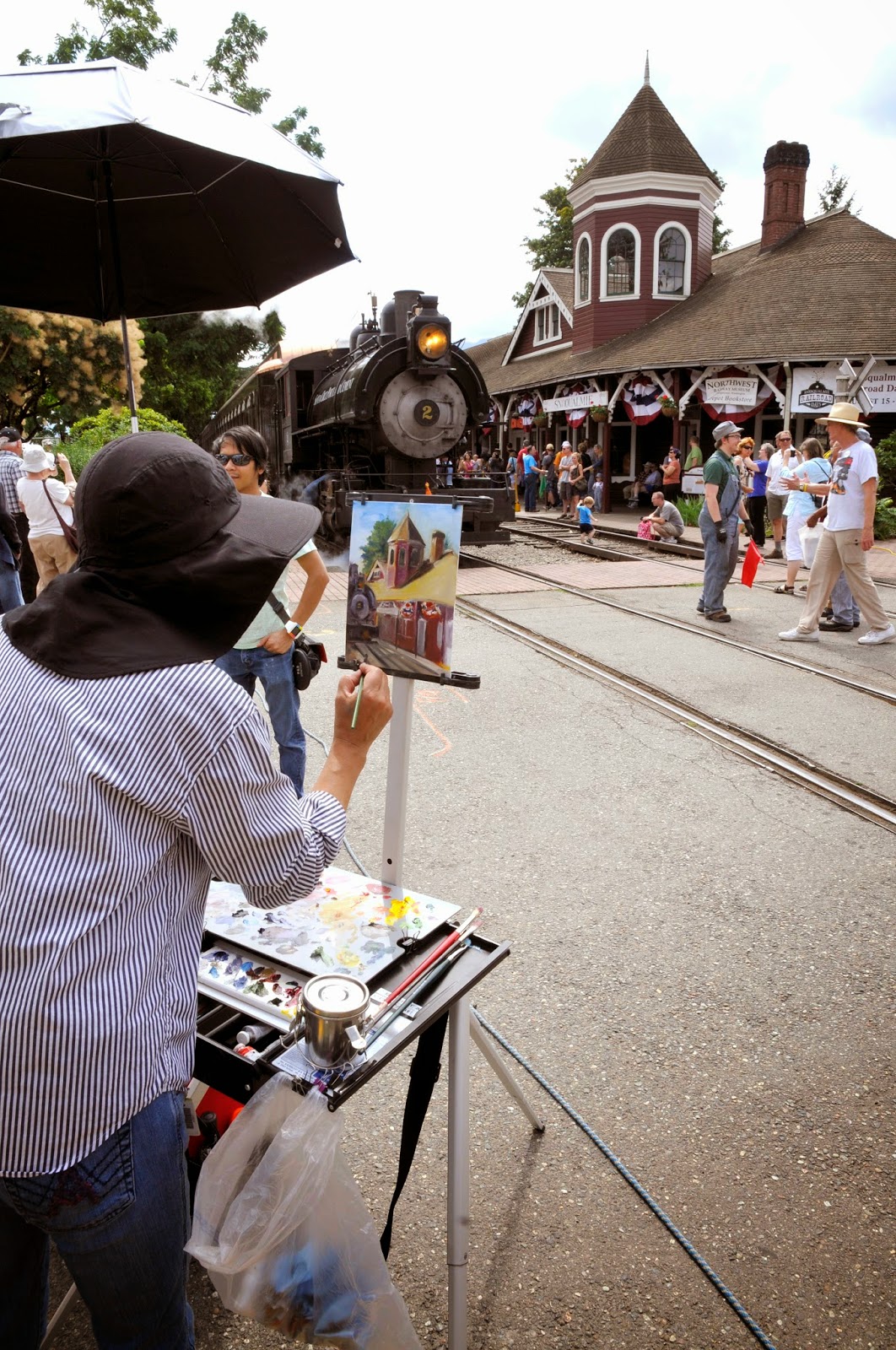
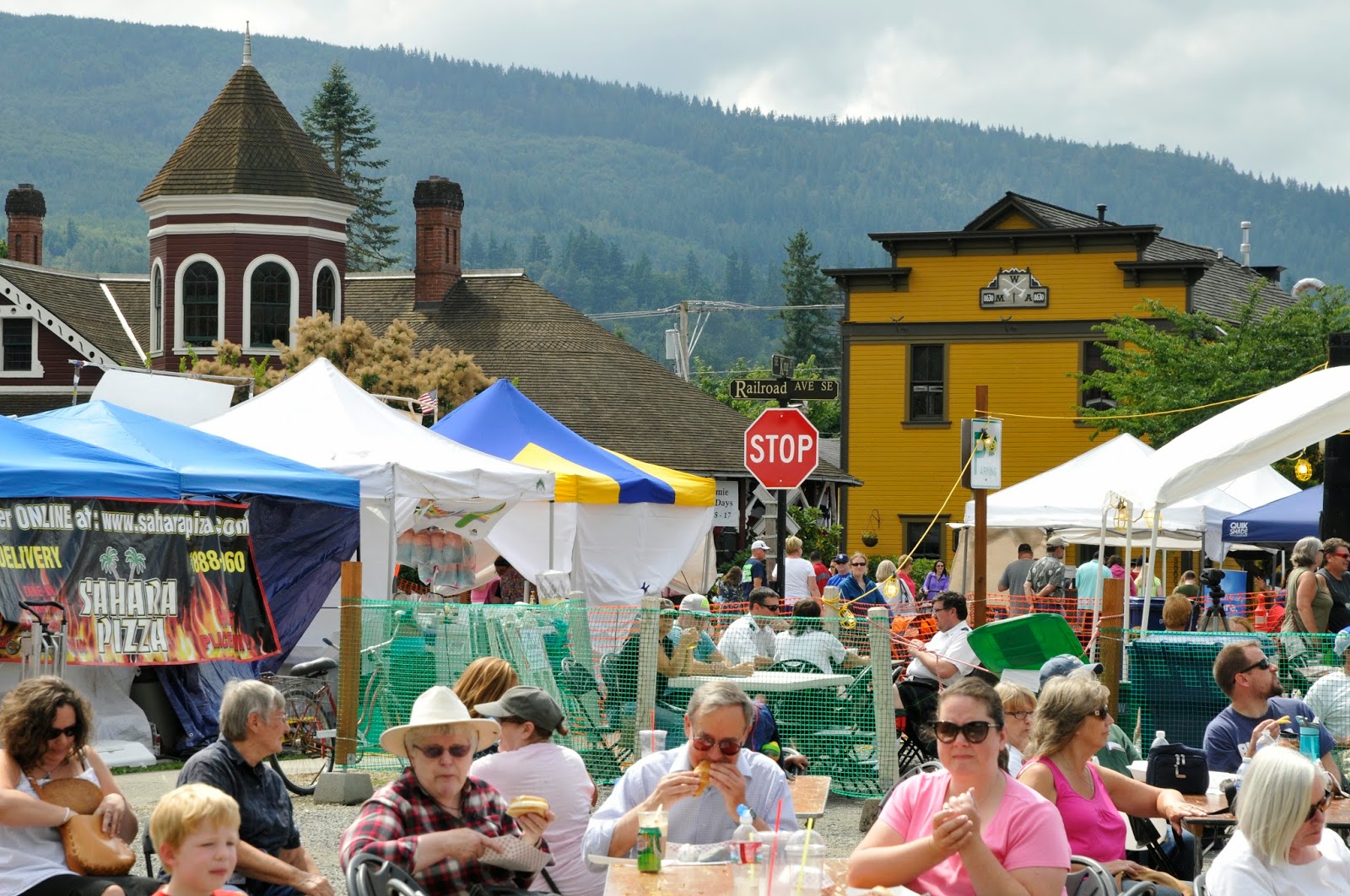
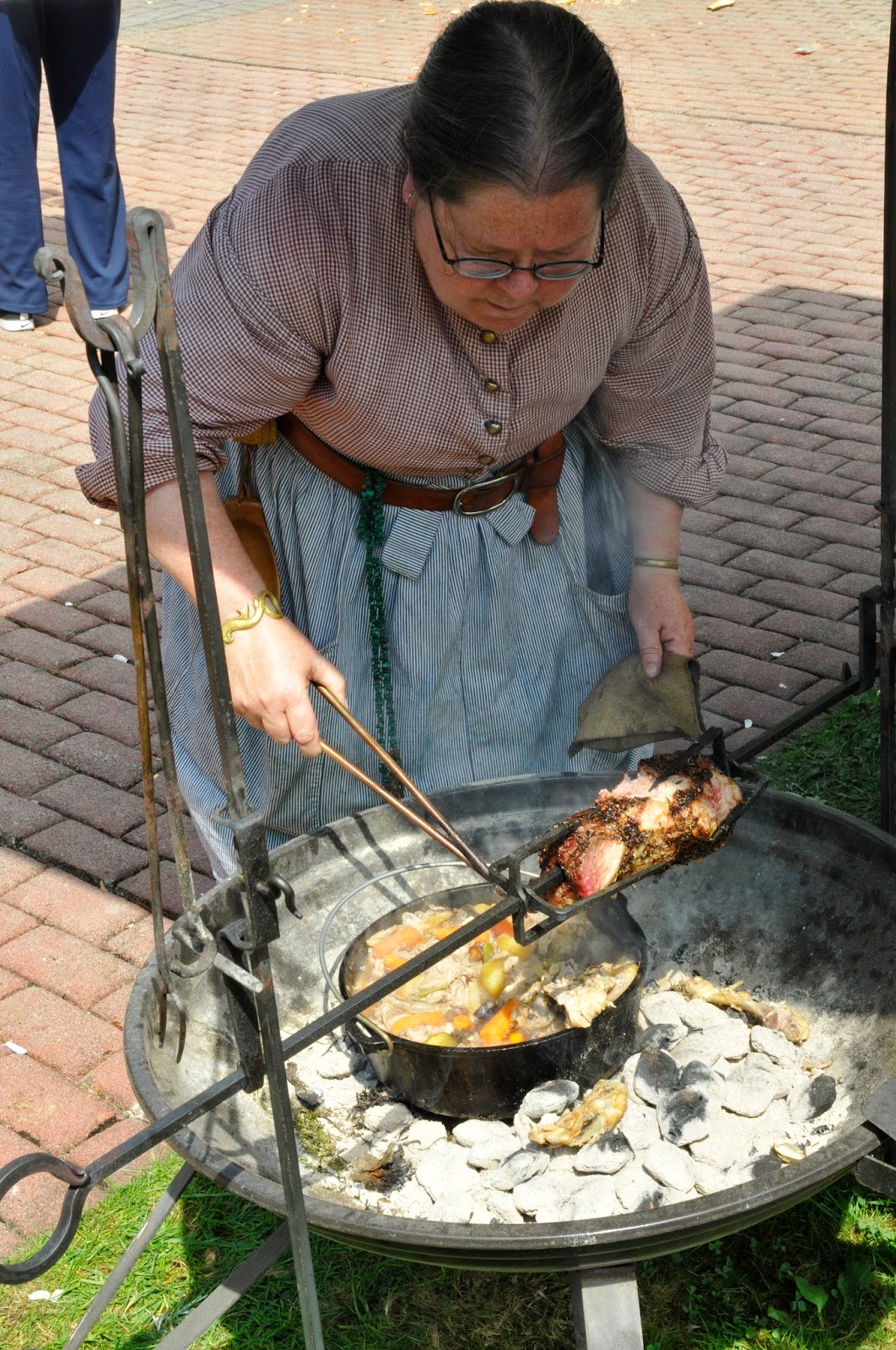
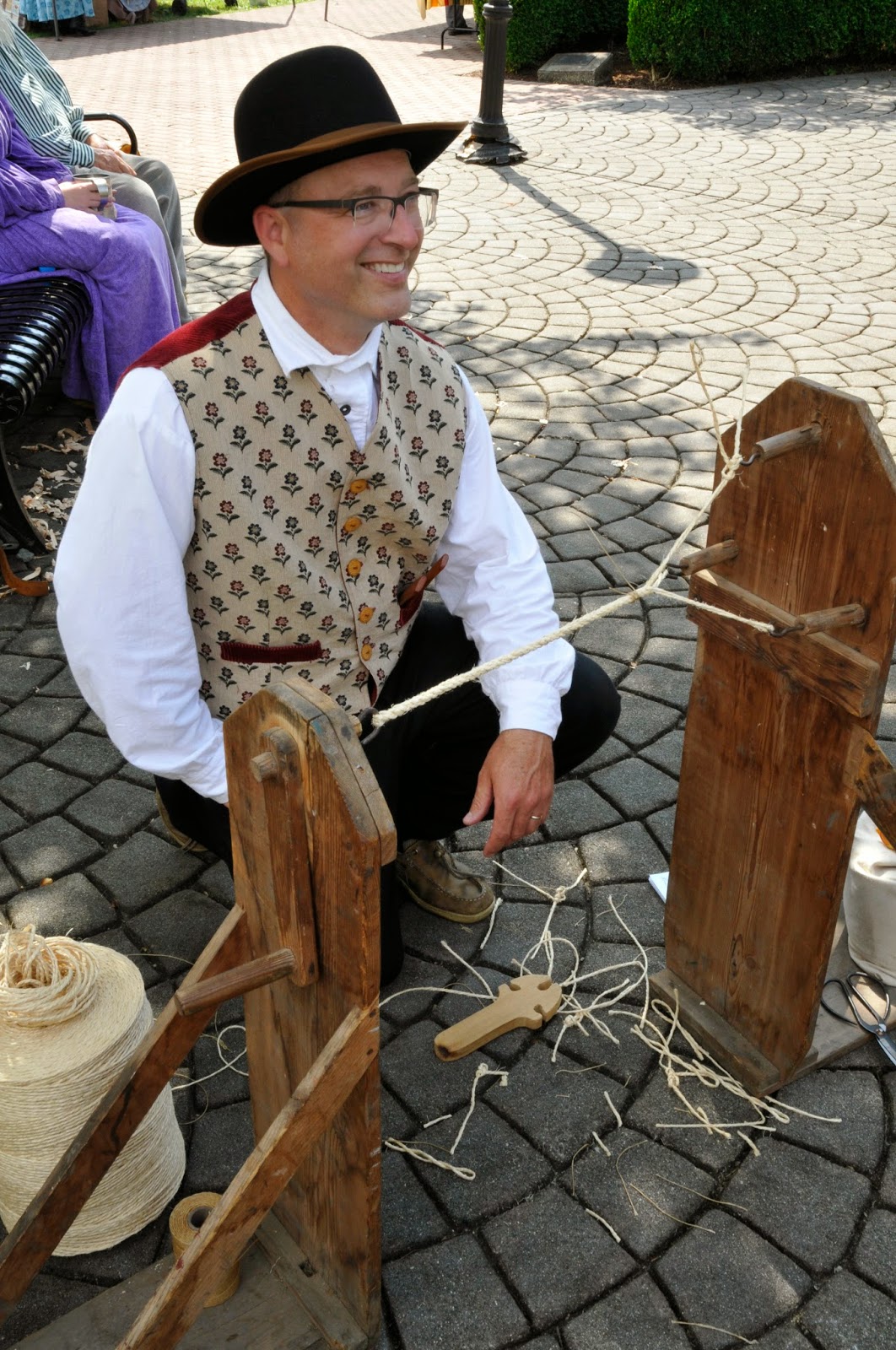
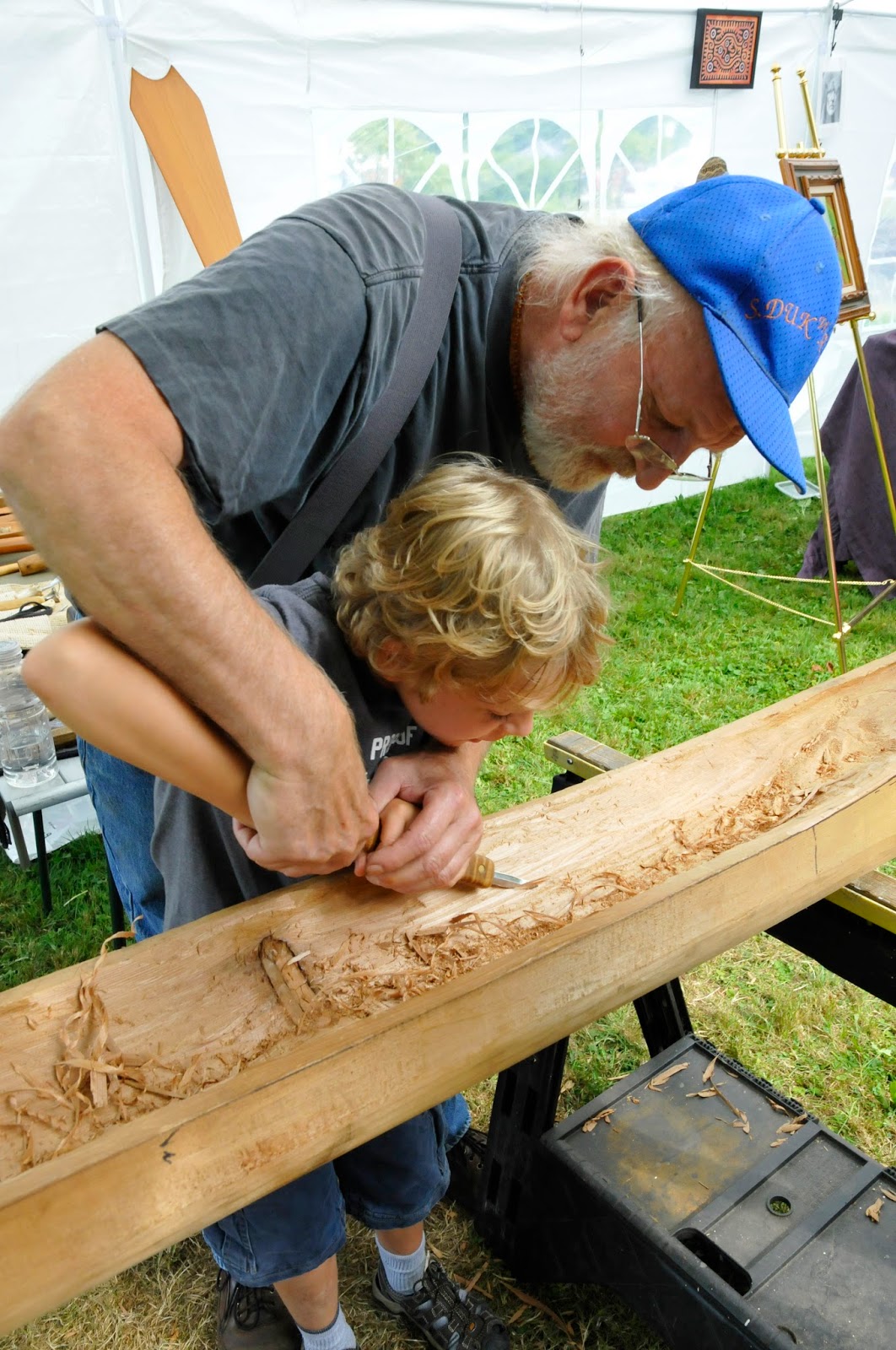
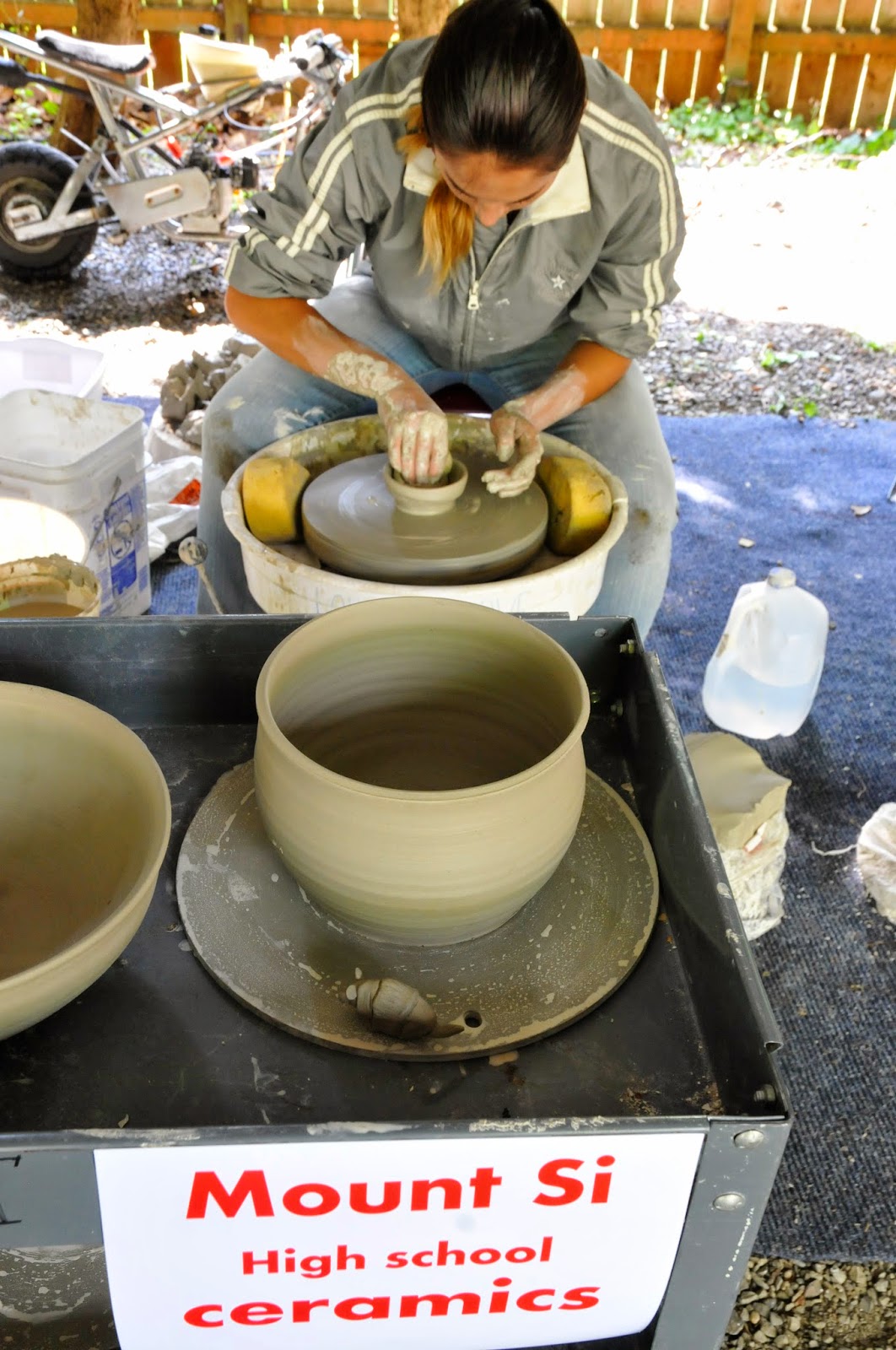
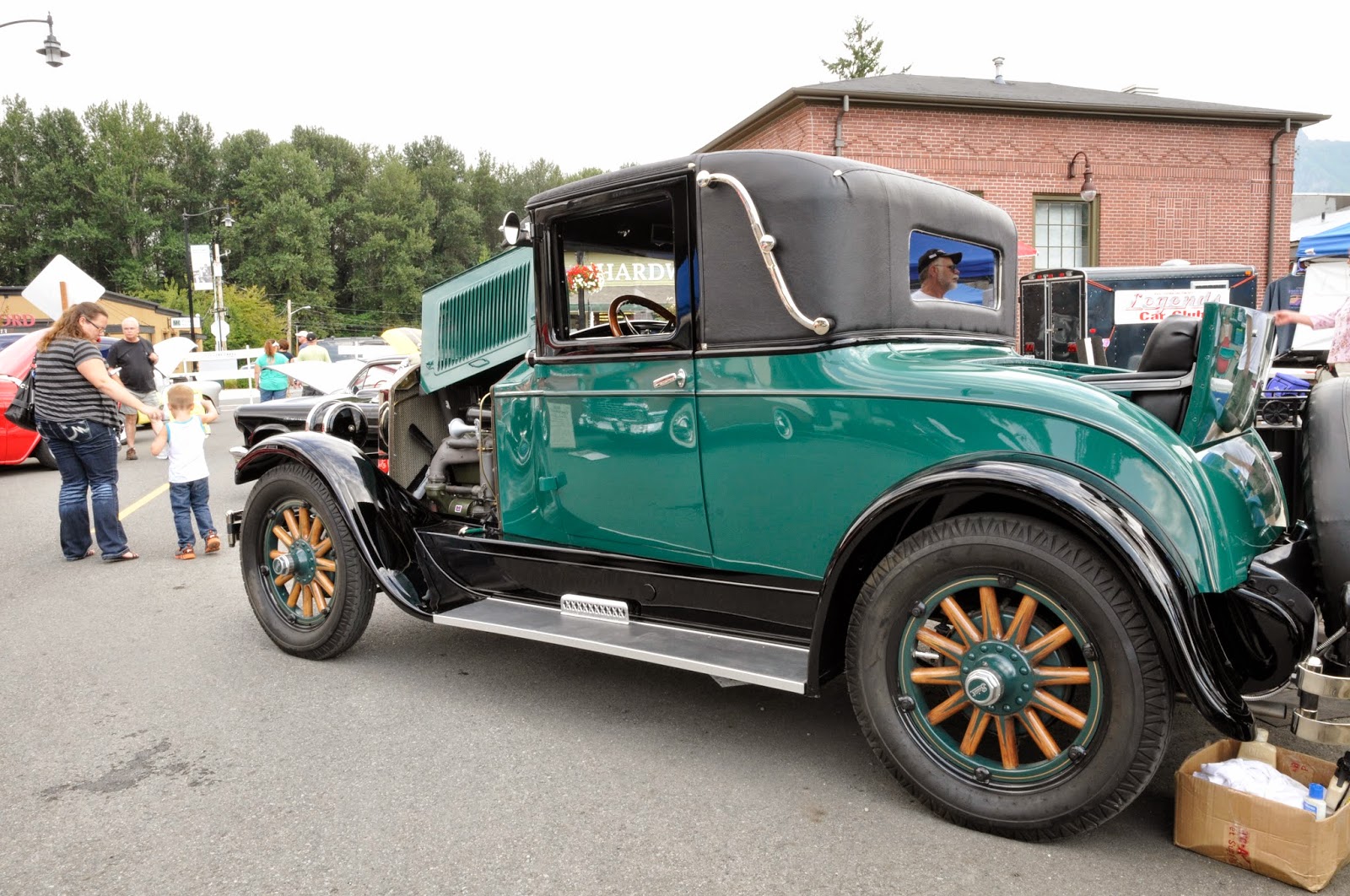
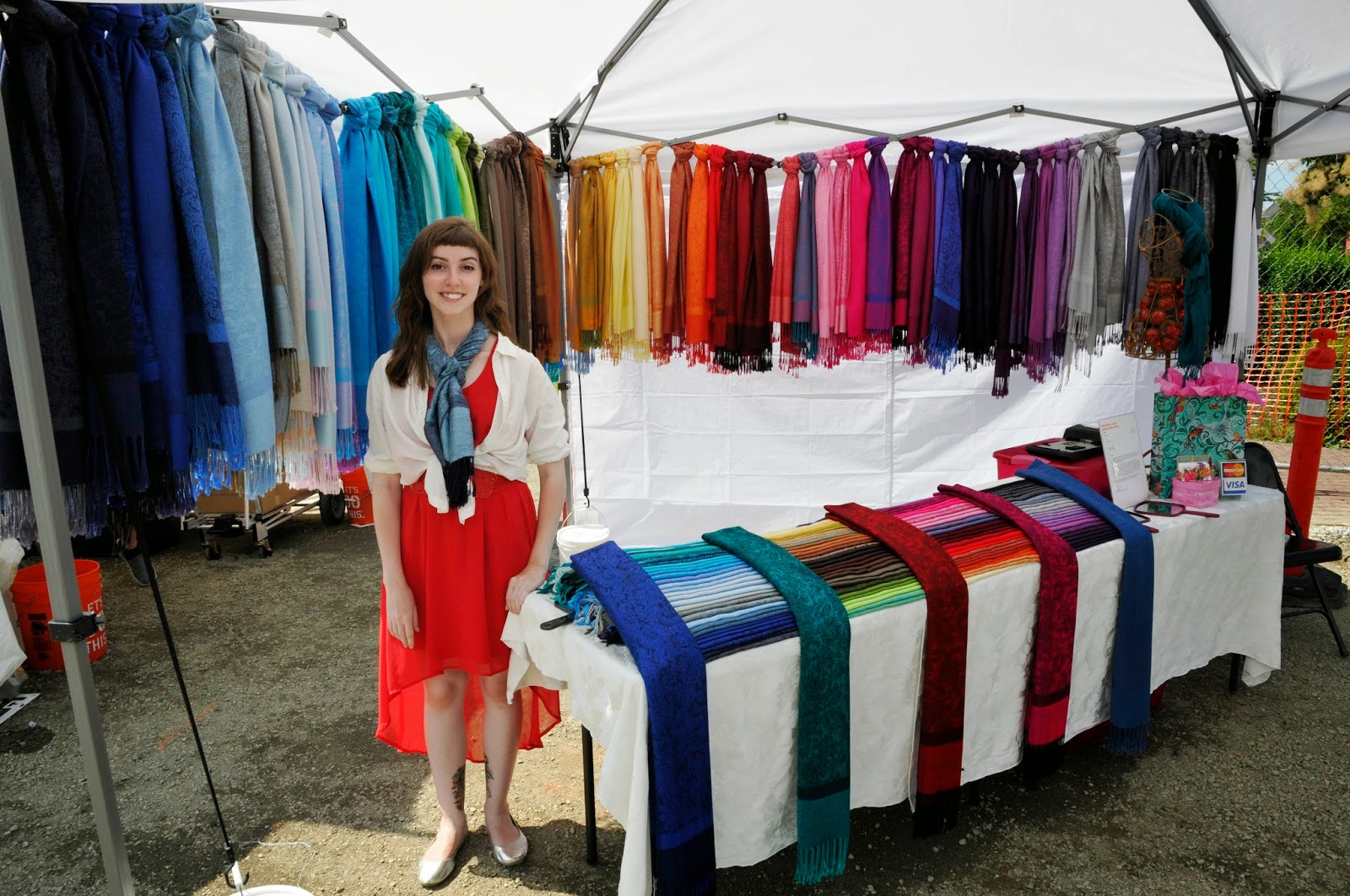
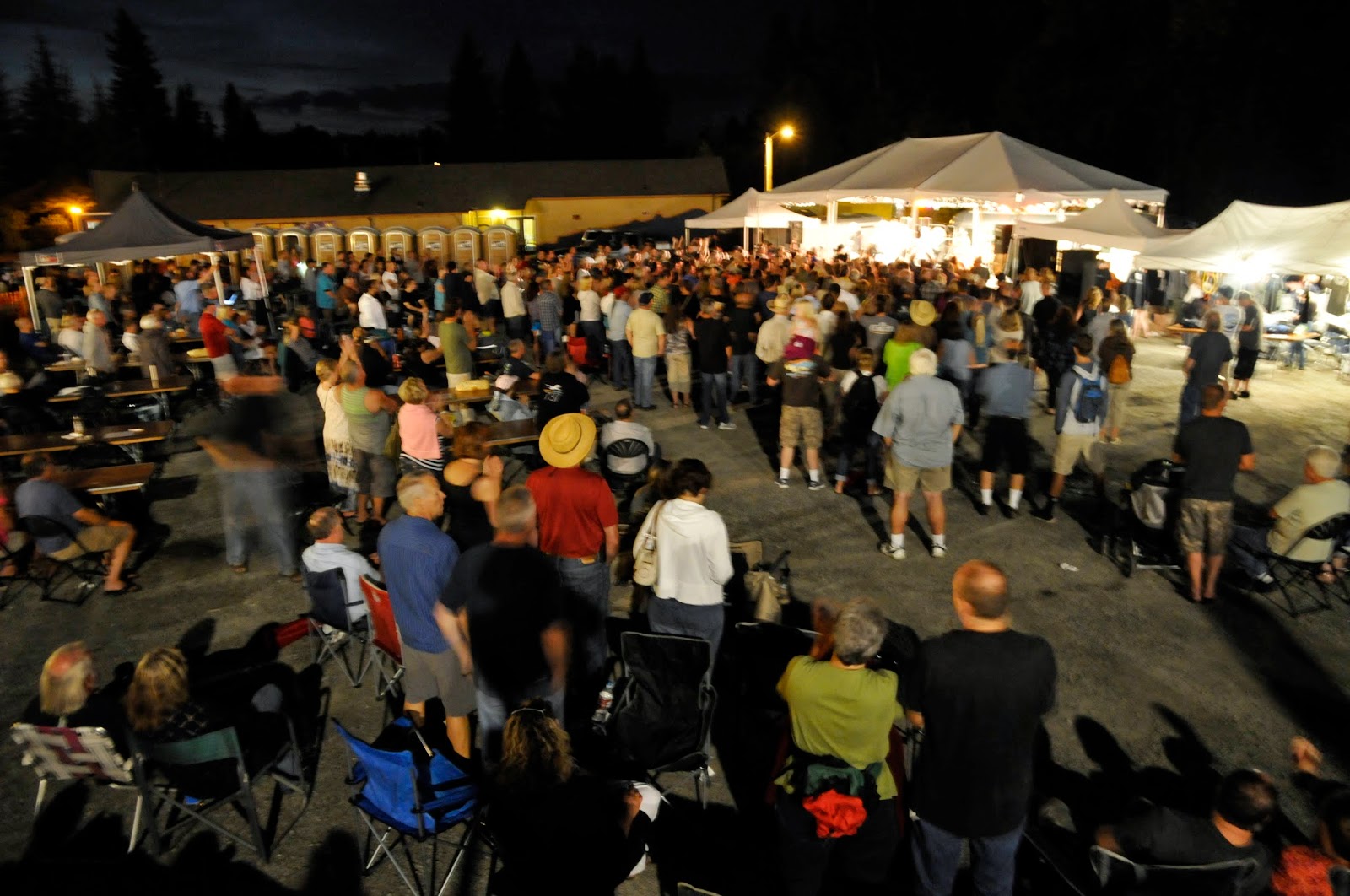
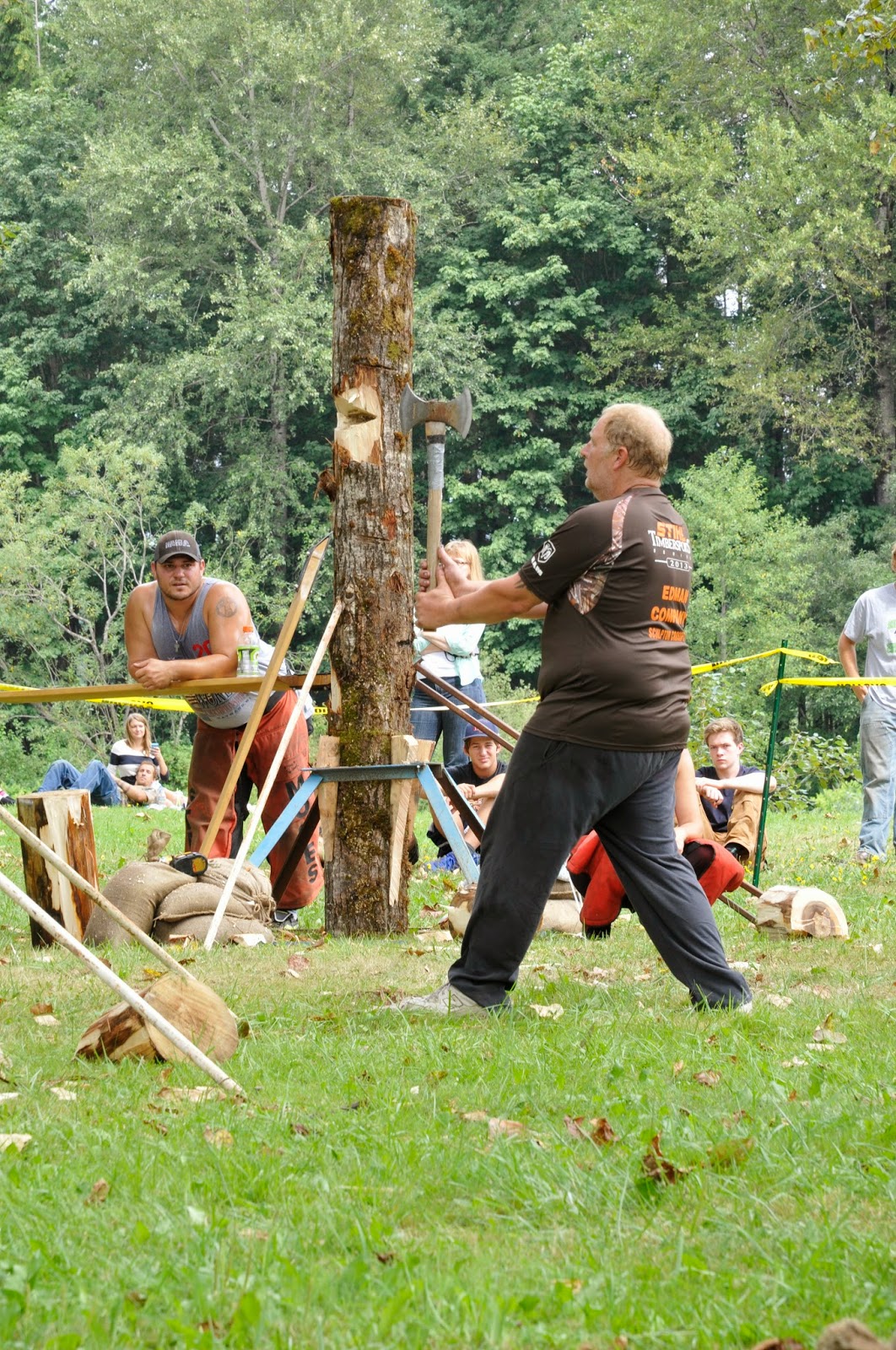
Snoqualmie Railroad Days 2014 was a spectacular success, featuring the first operating steam locomotive in 25 years, the Santa Cruz Portland Cement 2. More than 2,000 people took an excursion or tour, and an estimated 12,000 visitors attended at least one event or activity. A grand parade, fun run, Legends Car Show, live music, history reenactors from Fort Nisqually, timber sports demonstrations and more made this Snoqualmie Railroad Days one to remember! Art in the Park, supported by Snoqualmie Arts Commission, featured Arts and Craft demonstrations, displays of artwork, and live music at and Redmond Ridge Winery stage. Local artists including carvers, painters, quilters, and potters were on hand throughout the event.
Subscribe to:
Posts (Atom)