Friday, September 23, 2011

Day of Caring at NRM

Every year in September, United Way organizes Day of Caring where thousands of volunteers all take the day off from work and volunteer in their community. United Way asks non-profit organizations to sponsor projects and then group leaders - mostly from companies - sign up for projects and organize volunteers to work on those projects. This year, on September 16, 2011, the Northwest Railway Museum participated in Day of Caring by sponsoring two projects.

The first project was for a group of 16-20 volunteers to come bake cookies for Santa Train in the Museum's historic US Army Ambulance Kitchen car. An amazing group from Marriot Hotels signed up. They were able to bake a ton of cookies and prepare the batter for the upcoming cookie bake on October 22nd. Normally, baking cookies at the Museum is quite an endeavor because bakers use an historic coal-fired oven to bake in and there are very few volunteers who know how to use coal ovens these days. But in this group there was a chef who grew up in Burma who learned to cook on a coal-fired oven. He immediately took charge and everyone was quite impressed.

Our second project was to beautify the Northwest Railway Museum for the Train Shed Grand Opening. 55 volunteers from Microsoft signed up to help clean the Museum. They worked on a mammoth list of tasks to help make the Museum look nicer. At the New Train Shed, to name just a few jobs, they washed windows, swept floors, raked gravel, weeded flower beds, and planted native plant landscaping. They also cleaned the Train Set: they power washed the exterior, vacuumed the coaches, cleaned out the closets and old restrooms, washed windows, reinstalled windows, and tightened up loose benches.

Volunteers worked at the Snoqualmie Depot as well: they painted picnic benches, washed windows, power washed the walkways, and swept. And if all of that was not enough, in the afternoon about half the group went up to the rail yard and worked on cleaning it up, cutting back the weeds and getting some of the equipment ready to be moved to the Train Shed. All told there were 75 volunteers from Marriot and Microsoft sign up plus, to help coordinate the event, four volunteers from the Museum helped run the speeder (railway scooter to move volunteers between work sites) and another three helped supervise the projects.

The Northwest Railway Museum thanks all of the volunteers who helped out from the Marriot, Microsoft and from the Northwest Railway Museum. It was a very successful day! If you have a group that would ever like to come and volunteer for a day, please feel free to contact our Volunteer Coordinator Cristy Lake at any time. Volunteering as a group for the day can be a fun way to serve the community and have an enjoyable time with friends.

Images(From top to bottom)

Volunteers from Marriot Hotels baked cookies and made lunch for everyone.

Microsoft volunteers raking gravel at the Train Shed.

A gentleman from Microsoft spent 6 hours power-washing the brick walkways at the depot – they haven’t looked this good in a long time!

Microsoft volunteers rode to and from the Train Shed by speeder. A big thanks to Jim H., Pete K., Ken L. and Chuck S. for operating the speeder and the train during the day!

Wednesday, September 21, 2011

Train Shed grand opening

September 17, 2011 was a momentous occasion for the 54-year-old Northwest Railway Museum. That occasion was the grand opening of the Train Shed exhibit and collection storage building, a project 54 years in the making. 137 invited guests joined together to hear live music, inspirational speeches, and to see the rehabilitated White River Lumber Company locomotive 1 and caboose 001 roll into the building. Hundreds of donors and over $4.3 million were required to achieve completion.

Last year the Museum celebrated the completion of the structure with a dedication ceremony. That empty building was an achievement in its own right but this year’s completion of all the railway track now allows the structure to be fully utilized for its primary purpose: protecting the most representative and vulnerable objects from the outdoor environment. It will also be available for limited public access.

Guests of all ages were transported to and from the Train Shed ceremony by train and while enroute Snoqualmie Postmaster Bud canceled a commemorative postcard. The Cornucopia Concert Band performed a variety of brass band standards throughout the evening and light refreshments were served from track two platform.

Mayor Matt Larson spoke of the importance of vision in achieving an important goal and praised the Museum for its many recent successes. 4Culture Executive Director Jim Kelly spoke of the tenacity and creativity evident in finding a way to build the Train Shed. (4Culture is the King County Cultural Development Authority and was a major supporter of the Train Shed design and construction.) Museum Board of Trustees Vice President Dennis Snook talked about achievement, planning and continued development. Museum Executive Director Richard Anderson spoke of eleven years of effort to plan, fund and construct the Train Shed, and of the interesting parallels between Snoqualmie’s beginnings as a railroad town and its revitalization efforts today led in part by a railroad museum. Other dignitaries attended to celebrate the event including King County Councilmember Kathy Lambert and City of Snoqualmie Councilmember Bob Jeans.

Opening the Train Shed for collections use and limited public access is the latest and greatest of the Museum’s achievements but it is hardly the last. Now work will continue on completing facilities for the museum campus including restrooms, additional parking, and program office space. Efforts will also increasingly focus on renewed and expanded collection care on the museum’s large collection of coaches, freight cars and locomotives.

Photographs:

(top left) Caboose 001 and locomotive 1 are pushed in on track three
(top right) Snoqualmie Postmaster Bud cancels a commemorative postcard
(middle left) Cornucopia Band performs live during the ceremony
(lower left) locomotive 1 and caboose 001 wait outside for their call
(lower right) native plants adorn the perimeter gardens at the Train Shed

Friday, August 26, 2011

Railroad Days revisit

Snoqualmie Railroad Days has been part of Snoqualmie for 73 years; the Northwest Railway Museum has managed the event for the last three years. Railroad Days celebrates Snoqualmie's history as a railroad and logging town, but also as home to the Snoqualmie Nation of Native Americans/First Nations people.

Railroad Days 2011 was a tremendously successful event with an estimated 10,000 participants. The event was held on August 19, 20, and 21 in downtown Snoqualmie. The three-day event included a grand parade, train and motor car excursions, vendors, a competitive running event, live music, a live "paint out" event, railroad demonstrations including from the BNSF Railway, a car show, inflatable amusements, and dozens of additional activities.

Railroad Days is an annual opportunity to celebrate our community's heritage (Snoqualmie) but also to attract a larger and more diverse audience to Snoqualmie, the railway museum, and many other area attractions. The event was made possible by dozens of sponsors including the City of Snoqualmie, the Snoqualmie Tribe, and the Northwest Railway Museum. Spike hopes you were able to enjoy this year's event and invites you to enjoy this collage of photos.


Photos:

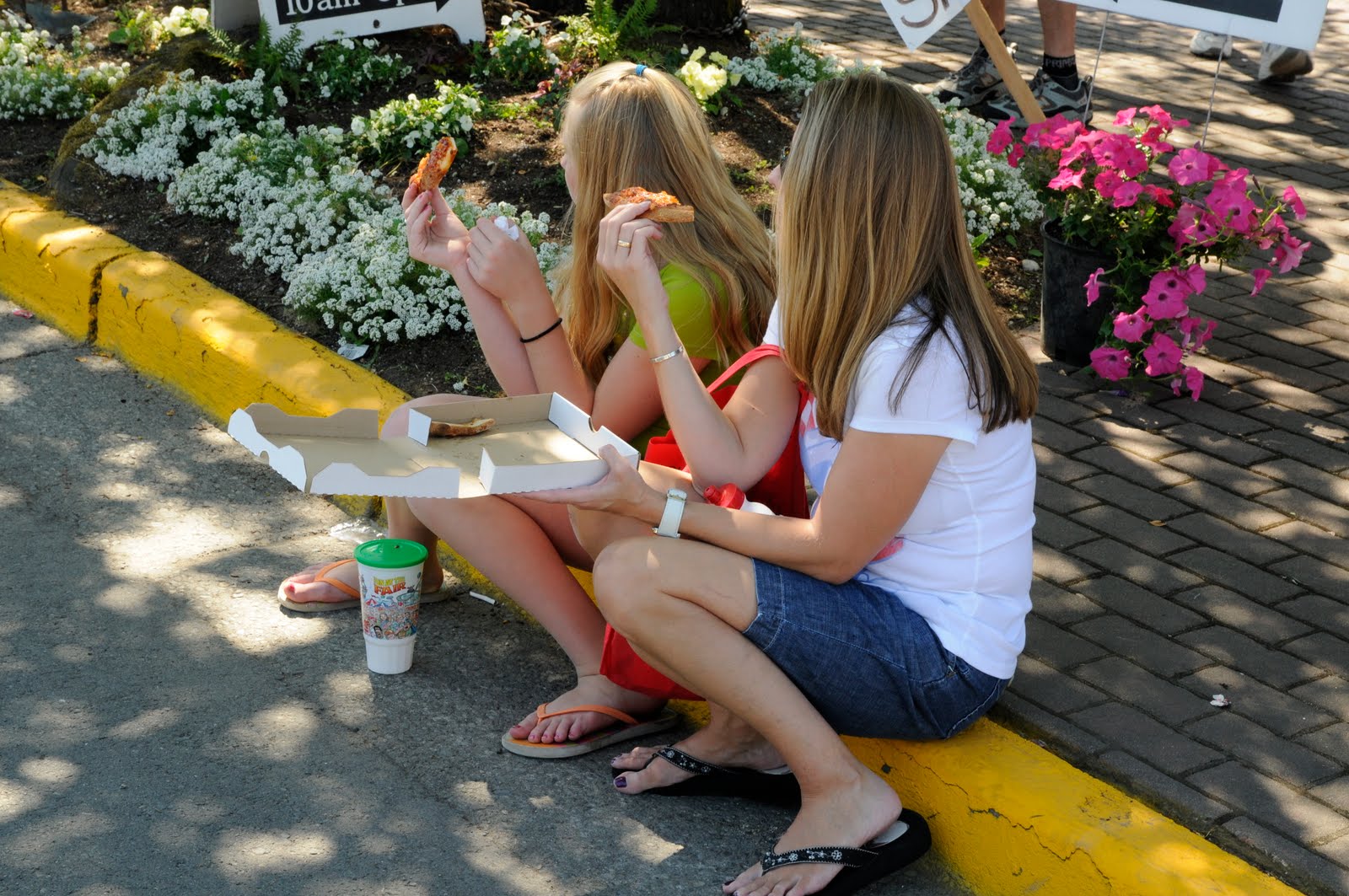
(Top) The food court at Railroad Days along King Street in Snoqualmie
(Below and in order, left to right, top to bottom)
1) Passengers prepare to board the interpretive railway during Railroad Days 2011
2) Engineer and Conductor compare orders and time prior to departing from Snoqualmie
3) Traditional Snoqualmie Nation carvings and skins on display at Railroad Days 2011
4) Clan Gordon, a tradition Scottish pipe band performs on the main stage
5) BNSF Railway demonstrates a rerailing crane
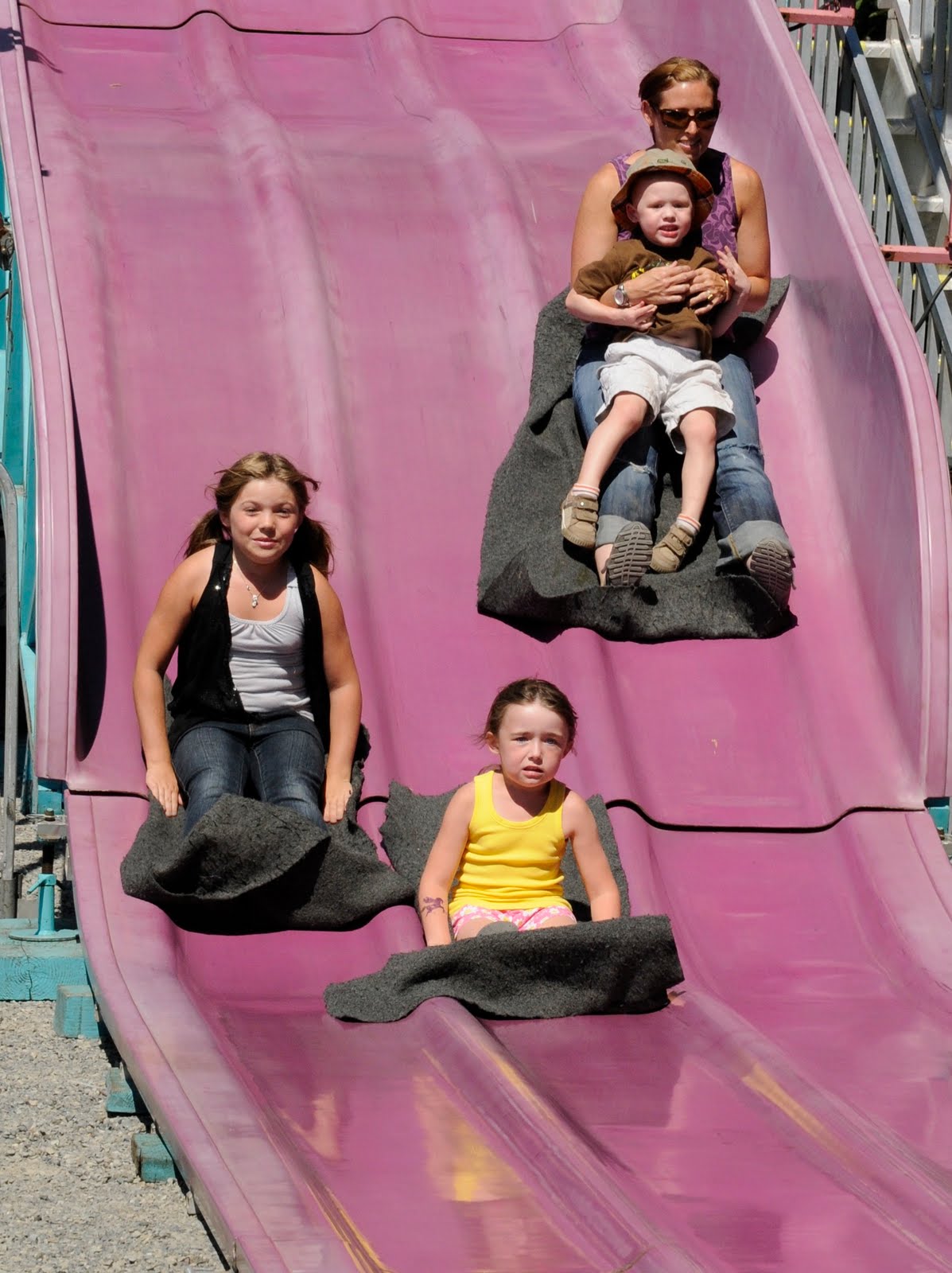
6) A family enjoys the Big Purple Slide at RR Days
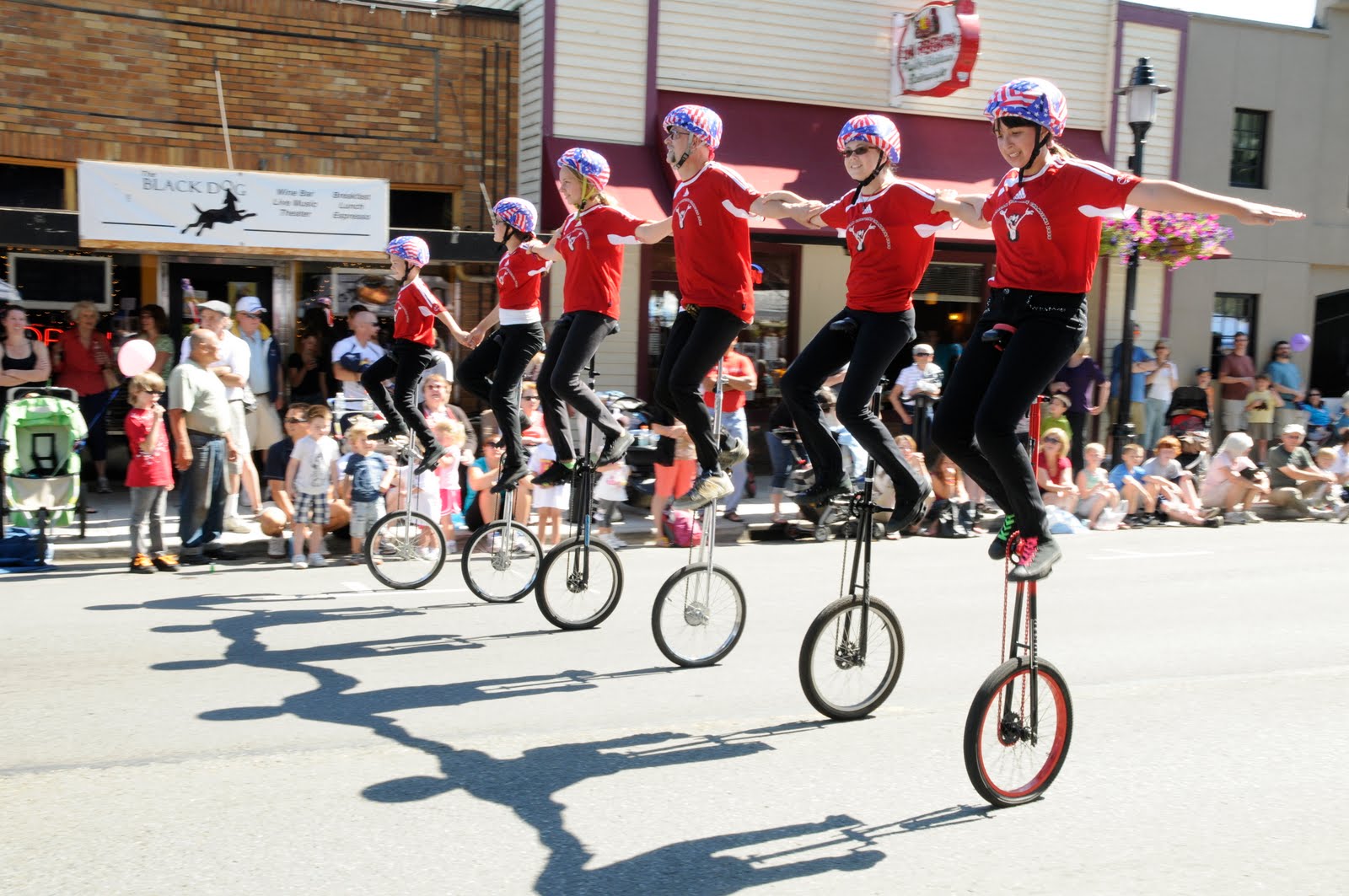
7) Panthers unicycle team performs during the Grand Parade
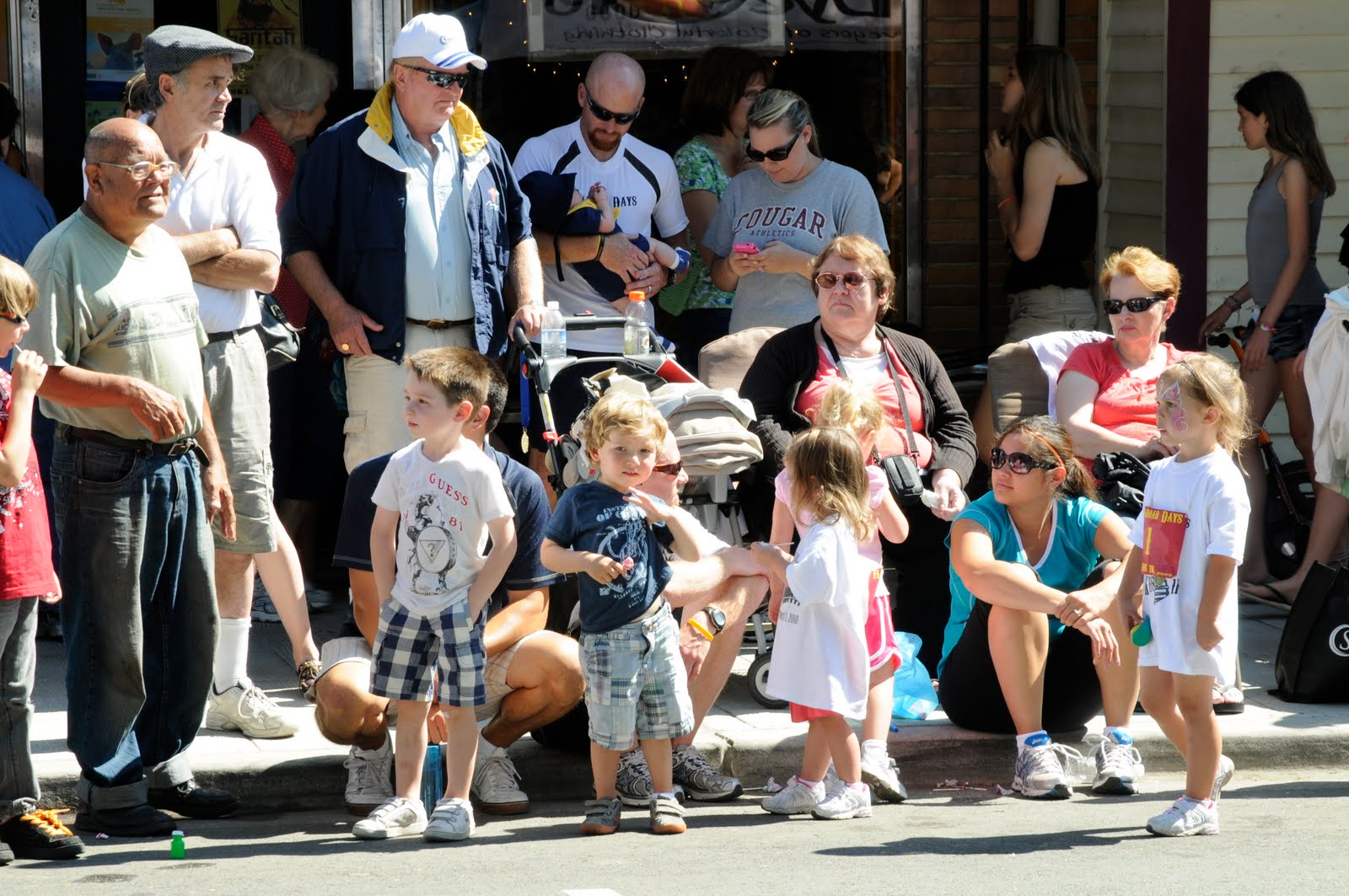
8) Railroad Days goers watch the Grand Parade
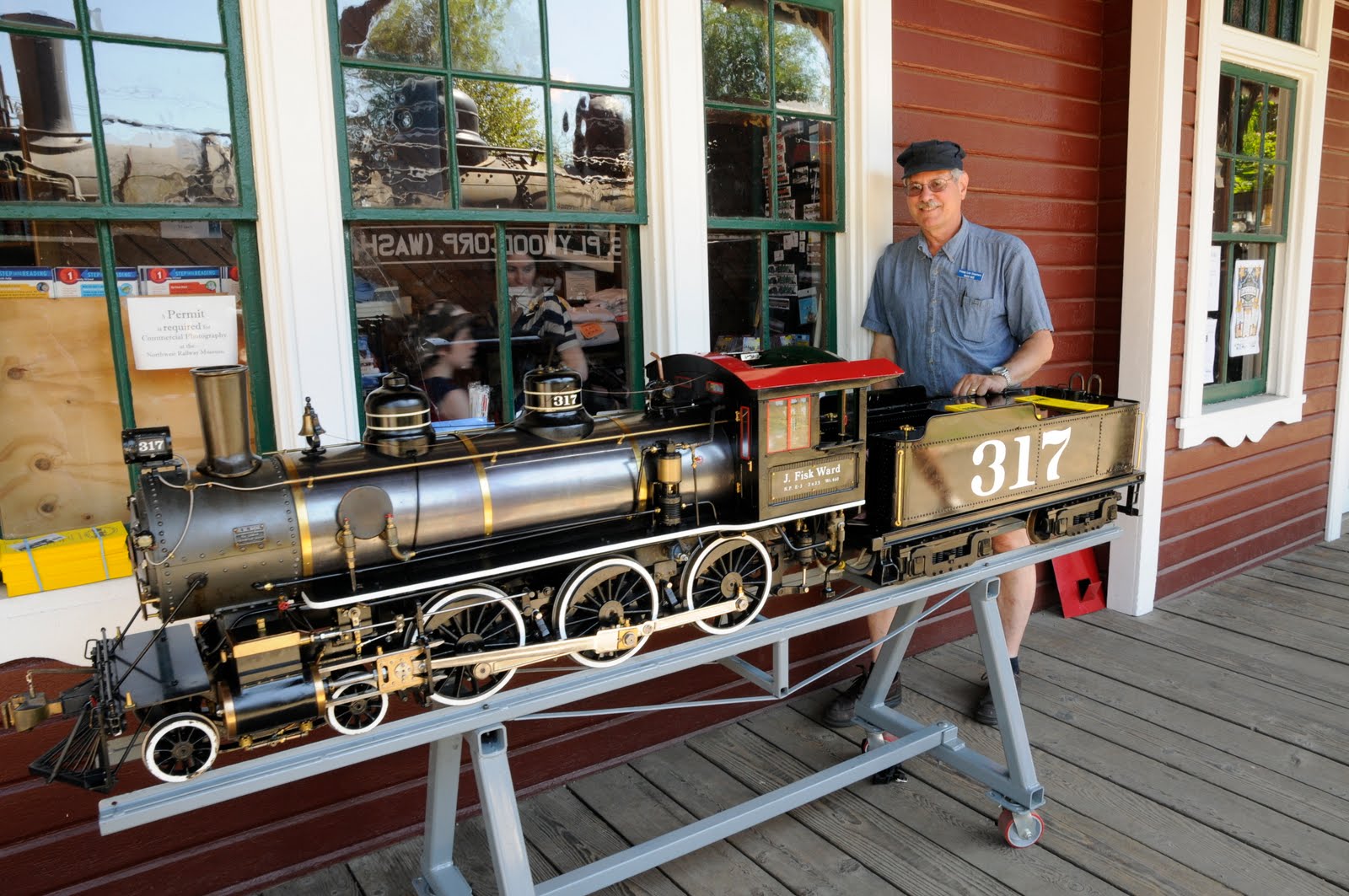
9) Russ N. displays his live steam locomotive
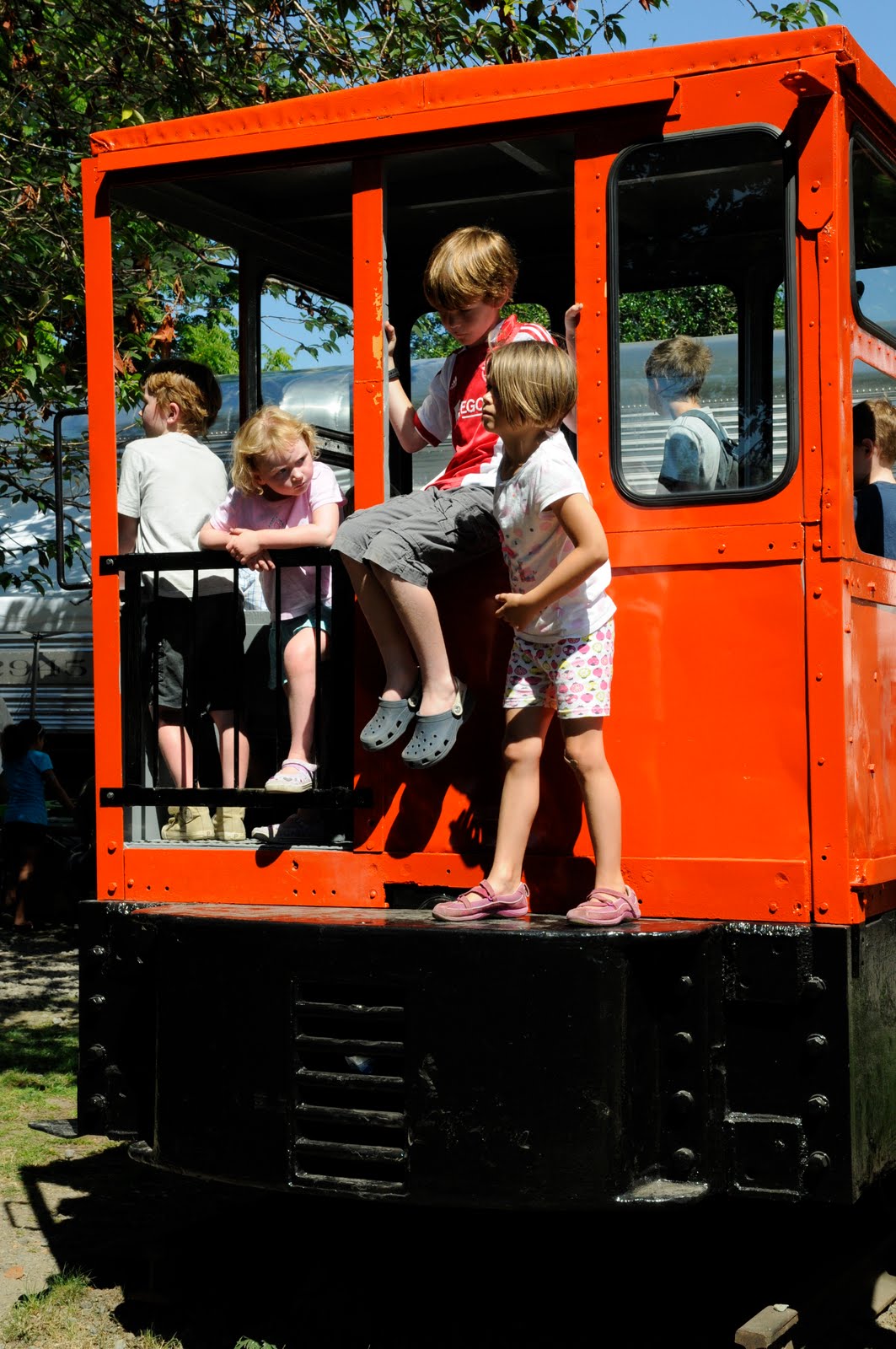
10) Children enjoy the Whitcomb locomotive exhibit at the Snoqualmie Depot
11) Families enjoy the Grand Parade
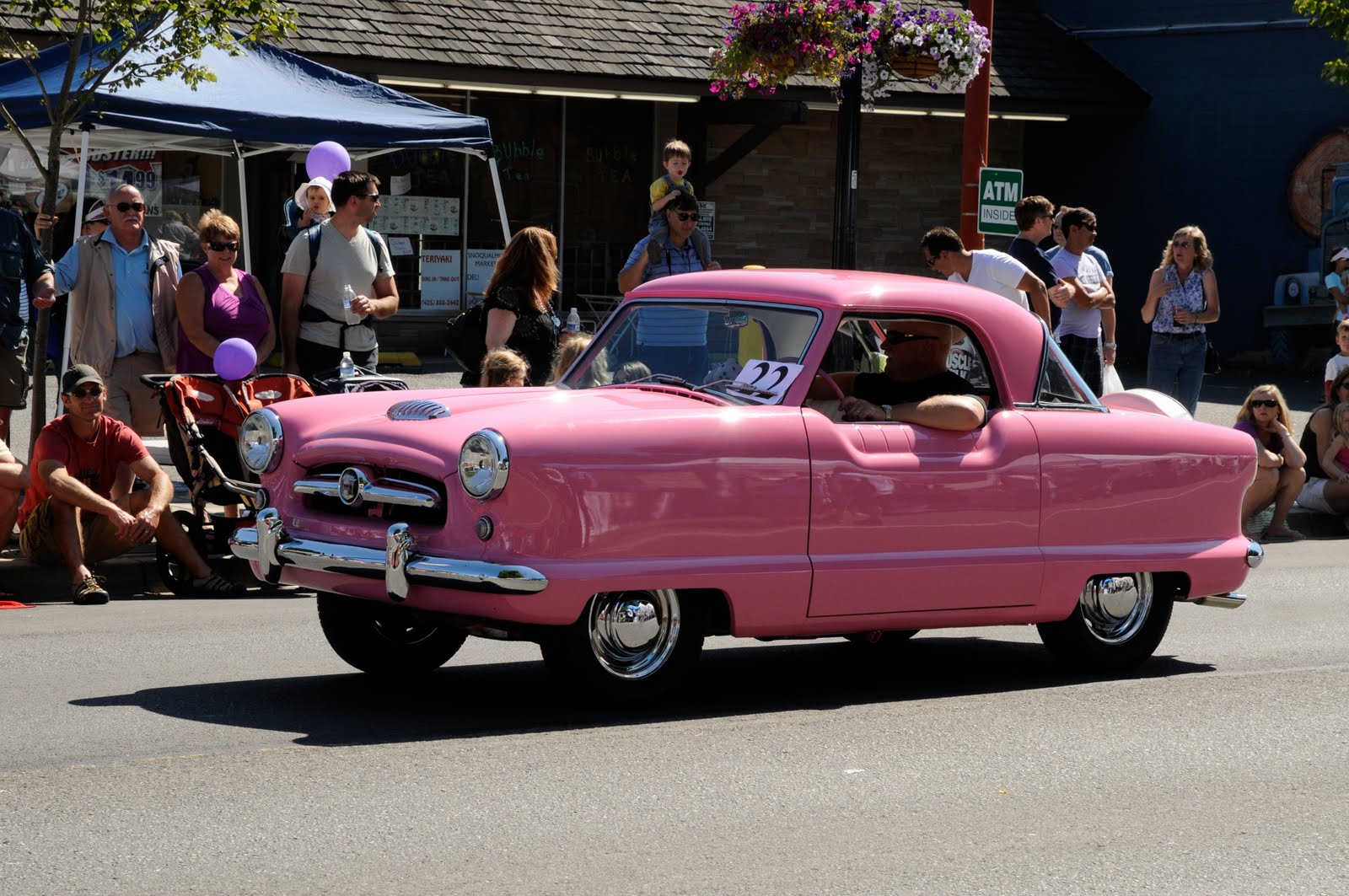
12) A vintage automobile, pretty in pink
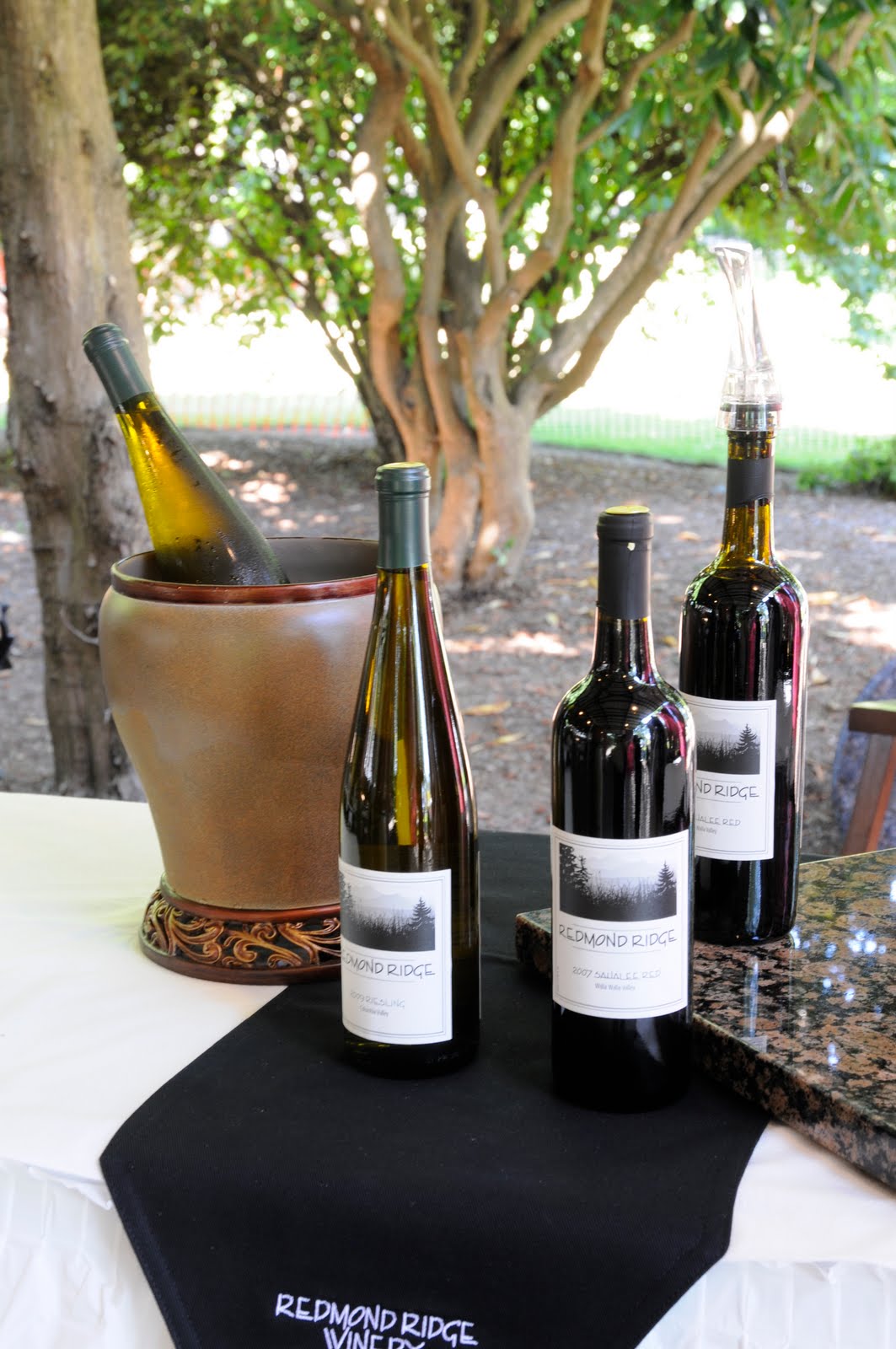
13) Redmond Ridge Winery hosted Railroad Days' first-ever wine garden
14) A motor car prepares to set on the railroad track
15) An artist participates in the "paint out" event
16) Face painting transforms a young lady into a tiger
17) John Mullen demonstrates Snoqualmie Nation traditions


Monday, August 15, 2011

Weyerhaeuser Timber Company locomotive 1

The White River Branch was a Weyerhaeuser operation near Enumclaw in east King County, Washington. They had a logging railroad that stretched to the outer reaches of Mount Rainier National Park, and a spur line that connected with the Northern Pacific Railway and Milwaukee Road.

In 1951 "a great yellow beast" (as described in the company’s newsletter) arrived to replace a steam locomotive and was soon working in the woods. Service on the logging railroad was short-lived because Weyerhaeuser converted to trucks just a few years later. Yet #1 soldiered on pulling trains to interchange with the Northern Pacific and Milwaukee lines for close to another two decades. (For more on the history, visit the September 28, 2010 blog post.)

The White River Branch's #1 received extensive rehabilitation in 2009 & 2010 funded in part by a grant from the National Railway Historical Association. Work included replacement of worn upper pistons and rings, car body repairs, electrical work, replacement of damaged glass, and priming and painting. Owing to a particularly wet and cool fall, winter and spring, lettering of the locomotive was delayed until summer 2011.

Armed with accurate tracings made off the remnants of the original lettering, volunteer Rich W. scanned and smoothed the lettering. He traced it out and “printed” it on a vinyl cutter to create a paint mask. The mask was applied to the locomotive using low-tack release paper and the lettering was painted out. When the lettering mask was removed, the crisp new lettering remained. This technique is similar to how the original lettering was applied in 1951 to this model H12-44 at Fairbanks Morse in Beloit, Wisconsin. While today a similar project would probably be lettered with vinyl, this traditional technique should outperform even the best vinyl. And it is historically accurate too!

Later this month, locomotive 1 will be moved into its permanent new home inside the Northwest Railway Museum's Train Shed in Snoqualmie, Washington. There, this class A rehabilitation effort will be protected from the Northwest's winter rains and will be part of an exhibit about logging by rail.

Photos:

(Top) Locomotive 1 with Weyerhaeuser's traditional W/T logo as applied in 1951. This new lettering was applied at the Museum's CRC in 2011.


(Middle) The "T" in the Weyerhaeuser W/T logo is evident under the paint mask as the three layers of paint that make up the logo are applied.


(Bottom) The eight and six inch lettering on the long hood first appears as an outline as the lettering mask is exposed just prior to applying black paint.


Wednesday, July 27, 2011

I've been working on the railroad as an engineer

“The engineer is in charge of and responsible for the locomotive as well as the mechanical operation of the train, train speed, and all train handling.” In other words, the engineer controls the locomotive. Historically people apprenticed for the position of engineer by being the fireman.

A steam locomotive fireman spent most of his time maintaining pressure in the boiler -- shoveling coal into the firebox of a coal-fired steam locomotive or adjusting the fire in an oil-burning locomotive. It was a hard, dirty job. Hours and hours spent shoveling coal – it was hot in the summer and drafty in the winter.

Besides lighting and tending the fire, the fireman was also responsible for cleaning out the boiler and firebox, and adding water and fueling the locomotive before departure. Besides the fire and other duties, the fireman was also learning the job of engineer - incentive enough to shovel all that coal!

George William Longworth was born in Connecticut on February 16, 1879. He was the first of five children born to Peter and Kate Longworth. Soon after his birth the family moved west. In 1900 they were living in Lester, WA, where Peter was a shopkeeper.

Longworth hired out on the Northern Pacific Railway (NP) in September 1898, at 19 years old. He listed his occupation as locomotive fireman in the 1900 U.S. Census and locomotive engineer in the 1910 census. So somewhere within that 10 year span he was promoted to engineer from fireman.

Longworth married Josephine Devershire and the couple lived in Seattle, WA. They had two children, daughter Melrene and son Thomas. Melrene was born in 1911, Thomas in 1917. Longworth worked for the NP until his death, at age 52, in 1931.

The executor of Melrene’s estate donated her photo collection to the Northwest Railway Museum. The collection consisted of some of George Longworth’s photos and correspondence from his time as an engineer, as well as the passes Melrene used to ride on the train when her dad worked for the NP.

If you are interested in seeing more photos, as well as several artifacts, visit the ladies waiting room at the Snoqualmie Depot. "I've been working on the railroad" is a rotating exhibit showcasing railroad jobs and and the people who performed them. Approximately every six months a new job will premiere.

Photos
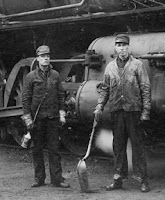
Which one is the fireman and which one is the engineer? Here is a hint: the fireman was responsible for shoveling coal as well as cleaning out the boiler, jobs he probably would have used a coal scoop for. Meanwhile, the engineer was responsible for oiling bearings and sliding surfaces before departure. George Longworth is on the left and is the engineer (holding his tool of the trade, an oil can), his fireman is on the right holding his shovel. Sometimes the fireman can be spotted simply because his clothes are noticeably dirtier from coming into contact with all that coal dust! Northwest Railway Museum Collection

George Longworth, date unknown. Northwest Railway Museum Collection


Trainmen were responsible for filing all kinds of paperwork, especially if there was a problem with their run. Here, engineer Longworth receives kudos from his superior: “George - Atta Boy, I knew you could do it, keep it up.” Circa 1930. Northwest Railway Museum Collection

Tuesday, July 19, 2011

Day Out With Thomas 2011

The very useful engine completed his annual visit to the Northwest Railway Museum on July 17, 2011 and by all accounts it was a successful and happy time for thousands of children. Live music, motor car rides, historical artifacts, and model trains were just a few of the many things to see and do at Day Out With Thomas 2011 in Snoqualmie, Washington.


This event marked the tenth annual visit of Thomas the Tank Engine and more than 16,026 people greeted him at the Snoqualmie Depot. They rode to Snoqualmie Falls on a twenty-minute excursion and enjoyed a variety of activities on the Depot lawn. Musical performances included Nancy Stewart, Eric Ode, Casper Baby Pants, and Brian Vogan and his Good Buddies who all performed to an enthusuastic crowd of children and adults.

A pool of 137 volunteers and 9 staff supported the event with awesome support from the City of Snoqualmie and the local business community. The Snoqualmie Valley Middle School provided off site parking too. And the Museum is grateful for the support and accommodation of the local residential community whose community was visited by nearly 3,000 people per day.

Day Out With Thomas 2011 was a successful event and proceeds are supporting the Northwest Railway Museum and the new Railway History Center. Day Out With Thomas 2012 is tentatively planned for July 2012 and tickets will be available to members beginning in March 2012.

Thomas the Tank Engine and Day Out With Thomas are registered trademarks of Gullane (Thomas) Ltd.

Photos:

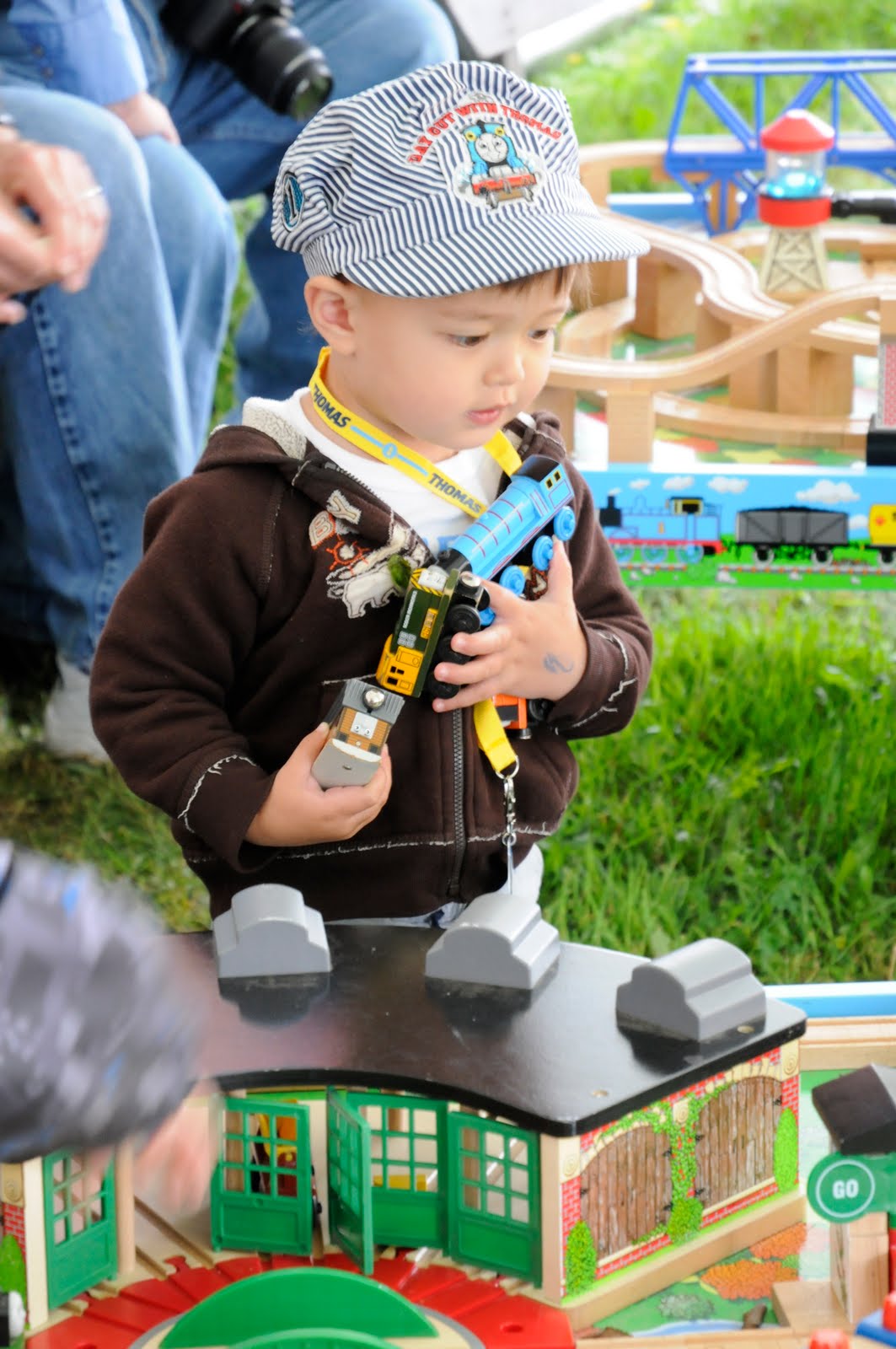
(Top) Sam from Shoreline assembed a lengthy and colorful train on the wooden railway train tables while visiting Day Out With Thomas.

(Video) Scenes from all six days of Day Out With Thomas 2011 with short clips from Eric Ode ("Barn Cat"), Casper Baby Pants ("Run Baby Run"), and Brian Vogan and his Good Buddies ("Pirate Song").

Friday, July 15, 2011

Reconstructing a railroad crossing


Crossings are the interface between a railroad and a roadway or trail. The Northwest Railway Museum has 23 crossings; 13 of those are public crossings of local streets, arterials, or major thoroughfares including a State highway. All of these crossings require ongoing maintenance; the majority of the wear and tear is caused by truck and automobile traffic. To meet the needs of today's heavier trucks and increased traffic, when it is opportune crossings are being rebuilt to withstand greater weight and use.

Among the busiest of the public crossings in Snoqualmie is Meadowbrook Way SE, a road that opened in the 1920s. It was last reconstructed after the great flood of 1996 using asphalt. The roadway was heavily impacted by flooding in 2007 and again in 2009, and is scheduled for repaving (overlay) in late summer 2011. The Museum has been working with the City of Snoqualmie for more than four years to secure funding that would allow reconstruction of the crossing along with the overlay. Fortunately, a portion of funding from the Snoqualmie Tribe’s Snoqualmie Casino designated for area road improvements has allowed the project to proceed.

The Museum has rebuilt nearly 1/2 of its public crossings in the last 15 years. All of the recent projects have been reconstructed using concrete panels similar to those used on railroads throughout the Northwest. These panels last longer and take the weight of today's trucks better than older-style asphalt or timber crossings. But the concrete panels are only the most obvious element of a crossing reconstruction. Reconstructions also often involve upgrading the size of the rail and improving the subgrade conditions by excavating out the native soil to a depth of 41 inches and replacing it with railroad ballast. (This makes the crossing more resistant to settlement caused by the passage of trucks and busses.) It also involves the use of longer railroad crossties to improve stability and to support concrete panels. All these improvements together allow reconstructed crossings to last at least 25 years.

RailWorks of Chehalis, WA was awarded a contract and began work on July 5. The existing crossing was removed and the subgrade was excavated to a depth of 41 inches. Larger replacement rail (115 RE, which means it is 115 pounds per yard, as opposed to the existing 90 RB rail, which is 90 pounds to the yard) was welded together using the thermite process to eliminate rail joints from the crossing. Geofabric was placed as a new base at the bottom of the excavation. New railroad ballast was placed as subgrade and new oak crossties were placed on 18 inch centers. The welded rail was double spiked in the crossing and rail anchors to resist creep were installed. Concrete panels manufactured by Omega Industries of Vancouver, WA were installed on the new ties, and Asphalt by George patched the space between the new panels and the existing roadway. The City of Snoqualmie provided additional project support by assuming responsibility for the temporary closure of Meadowbrook Way SE. Project value was $38,000 and work was completed in 3 days.


Photos/Video:


(video) Scenes from the Meadowbrook Way SE crossing reconstruction project


(top photo) Completed crossing on July 8, 2011


(upper middle photo) New concrete crossing panel is lowered into place. Large lag screws driven into the white oak cross ties will hold them in place.


(lower middle photo) A jig is used to align two lengths of rail prior to thermite welding.


(bottom photo) Special compromise joint bars transition between the new welded rail and the existing rail. (Note the different height.)